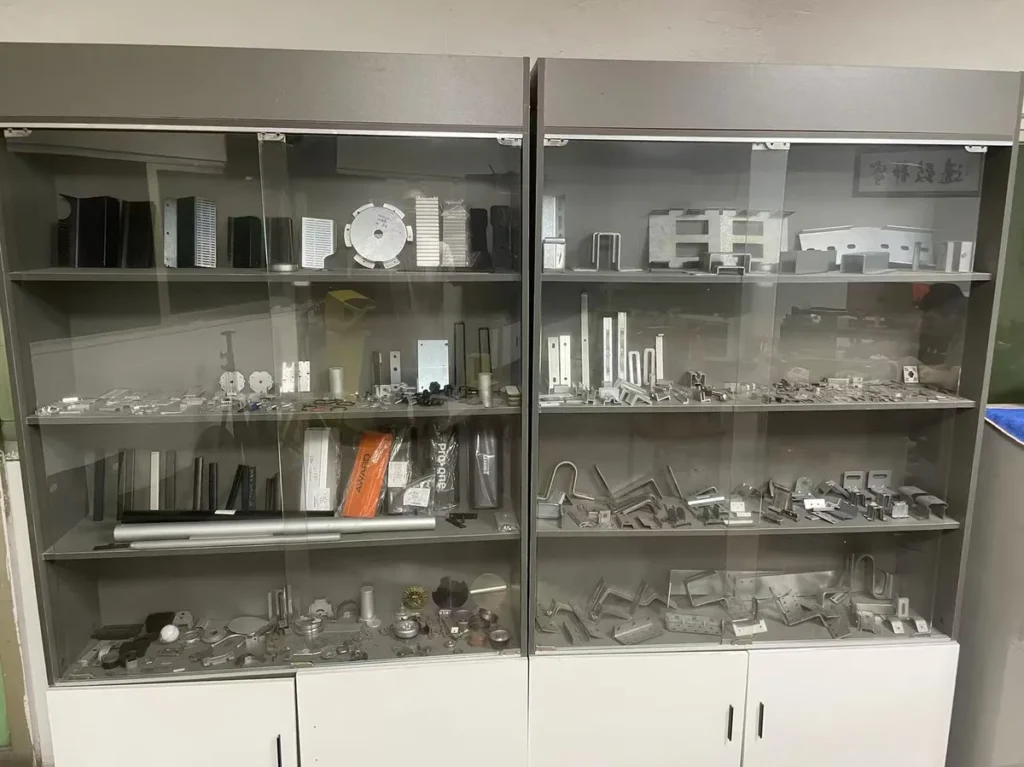
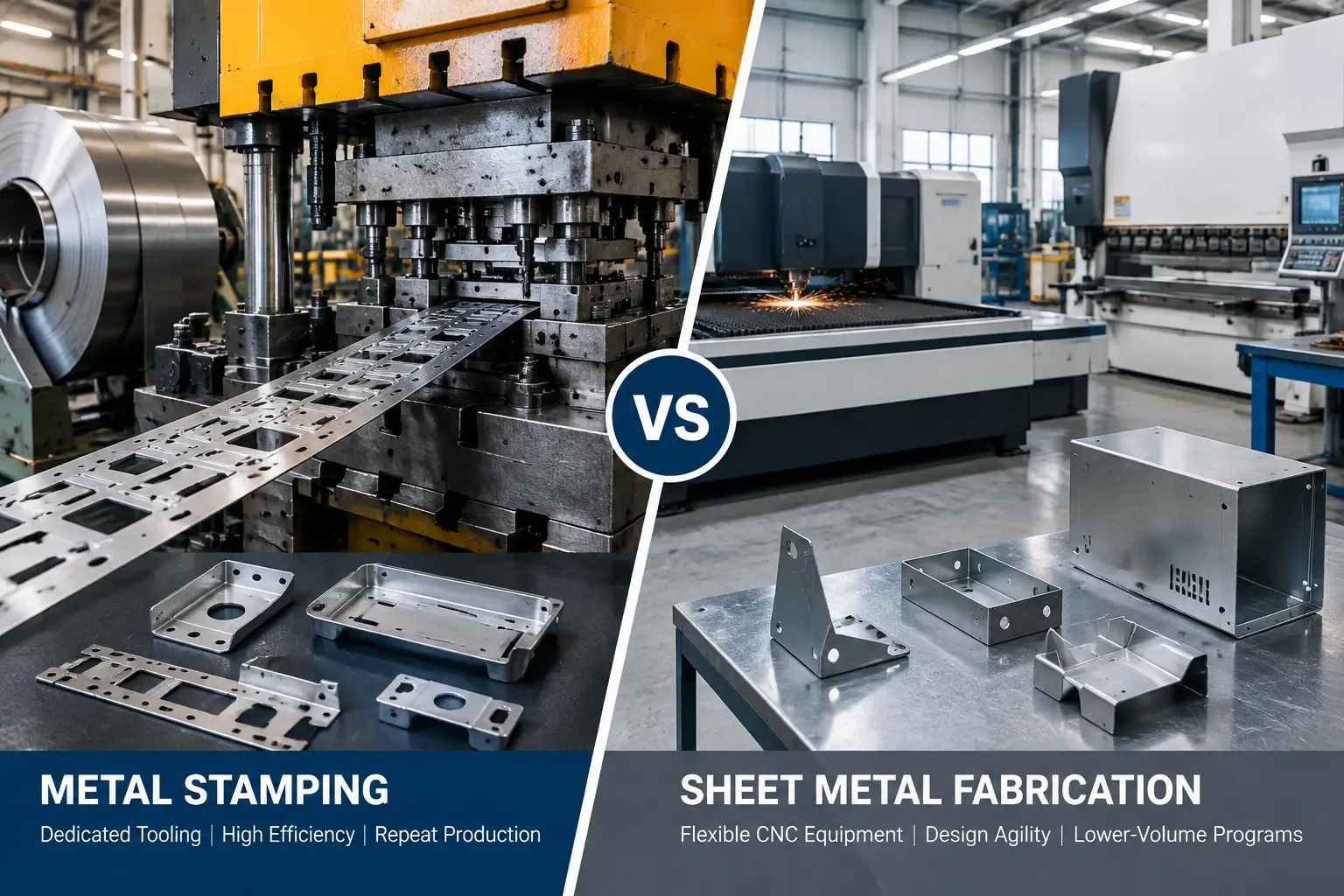
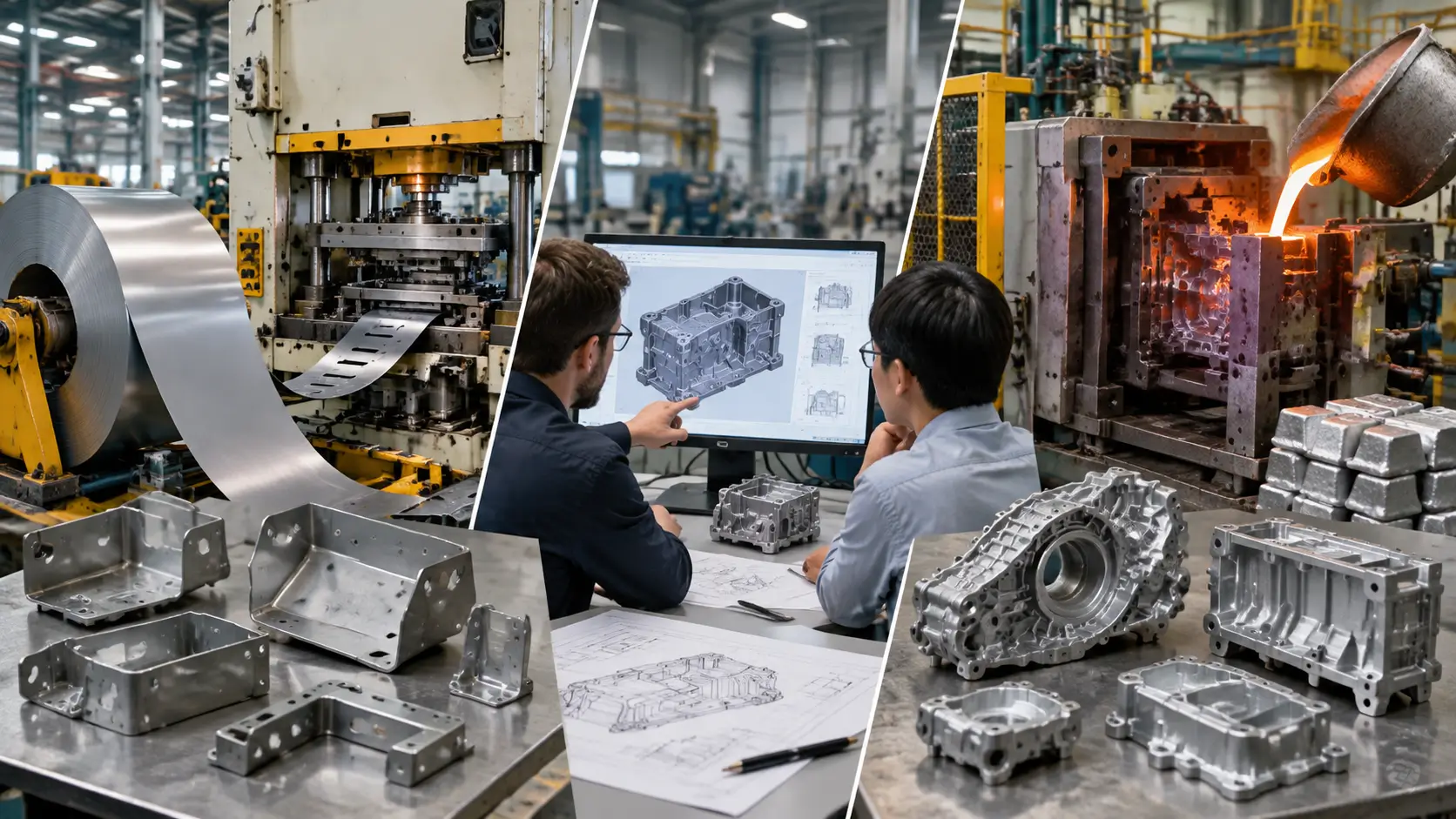
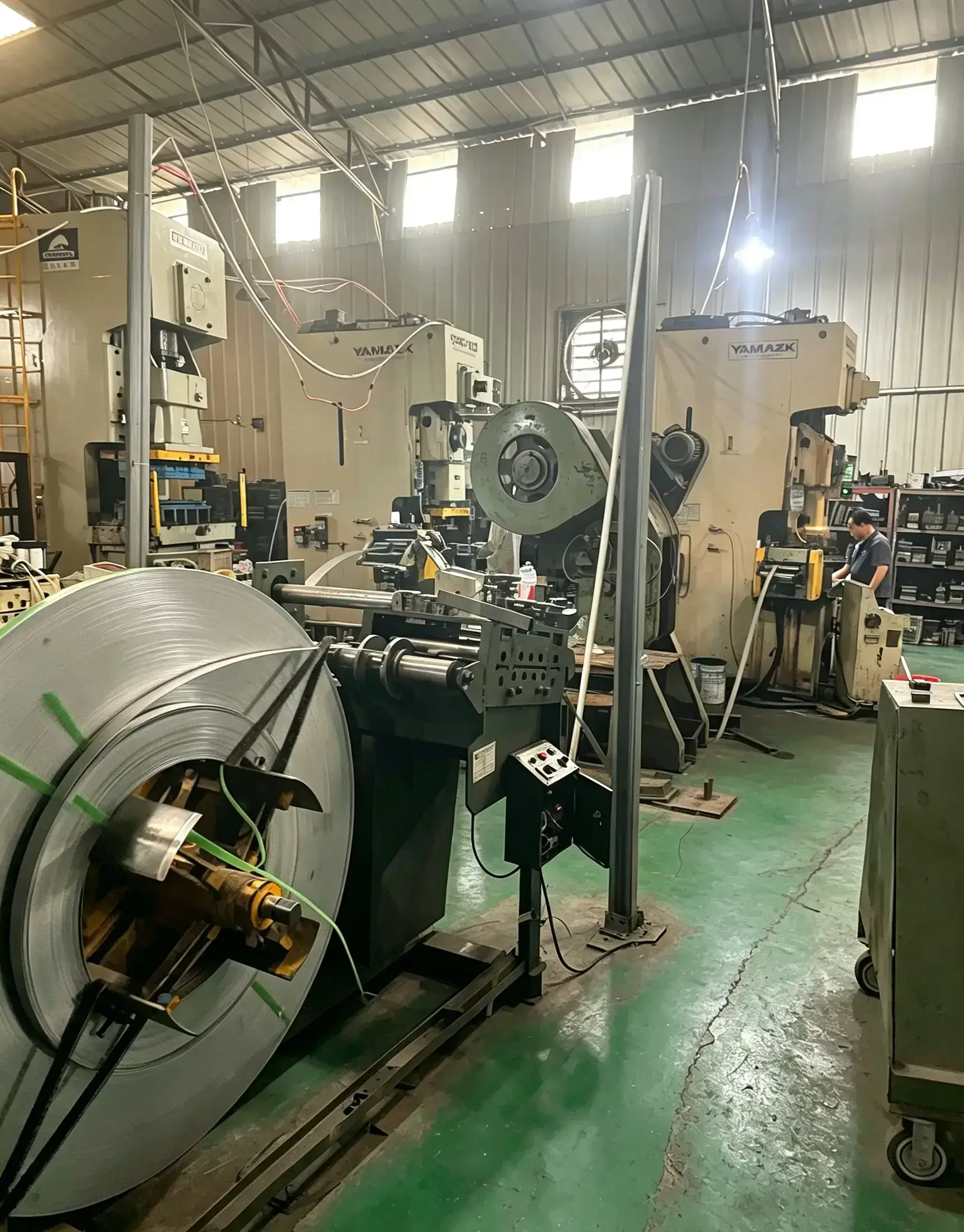
Answer Summary: Metal stamping is widely used across automotive, electronics, solar, medical, lighting, and industrial hardware applications because manufacturers need repeatable, cost-effective metal components at scale. Common metal stamping parts include brackets, clips, terminals, covers, and housings — Metal Stamp Factory supports OEM customers across these industries with real production experience, from battery cover plates to solar mounting brackets to electrical connectors.
Stamped metal parts across automotive, electrical, solar, and industrial applications.
What Are Metal Stamping Applications?
Metal stamping applications refer to the industries and products that rely on stamped metal components — anywhere a manufacturer needs the same part produced consistently, at volume, and at a controlled cost. The application determines almost everything else about a part: which material fits, what tolerance matters, and what surface treatment it needs.
Across industries, the most common part types are:
Brackets and mounting hardware
Clips and retainers
Electrical terminals and connectors
Covers and enclosures
Structural housings
The sections below walk through real applications by industry, with the material and process each one actually uses. New to the topic? Start with our guide on what metal stamping is.
Metal Stamping Applications by Industry
Industry
Typical Stamped Parts
Common Materials
Automotive
Battery covers, brackets, housings, reinforcement parts
Carbon steel, galvanized steel, aluminum
Electrical
Terminals, connectors, spring contacts
Copper, brass, phosphor bronze
Solar
Mounting brackets, conductive clips
Stainless steel, galvanized steel, ZAM
Medical
Support plates, structural components
Aluminum, stainless steel
Lighting
Brackets, mounting hardware
Steel, aluminum
Industrial Hardware
Clips, brackets, panels
Steel, stainless steel
Automotive Metal Stamping Parts and Components
Automotive is one of the largest users of stamped metal parts, for straightforward reasons: high production volume, the need for repeatable dimensions across every unit, and constant pressure to control weight and cost.
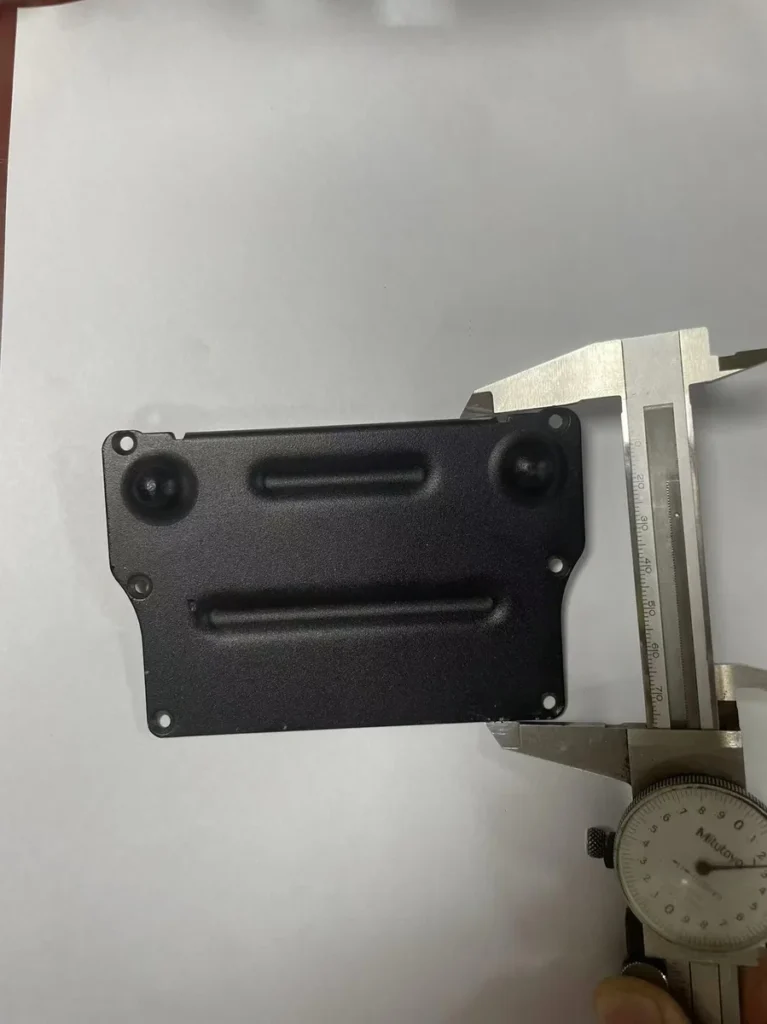
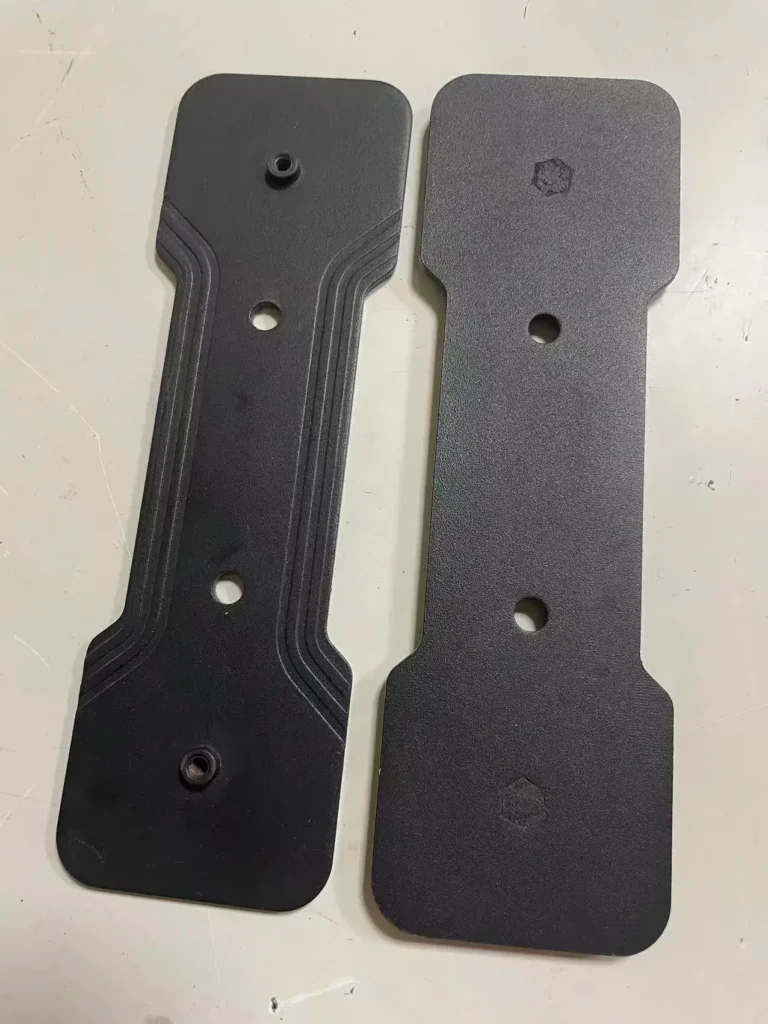
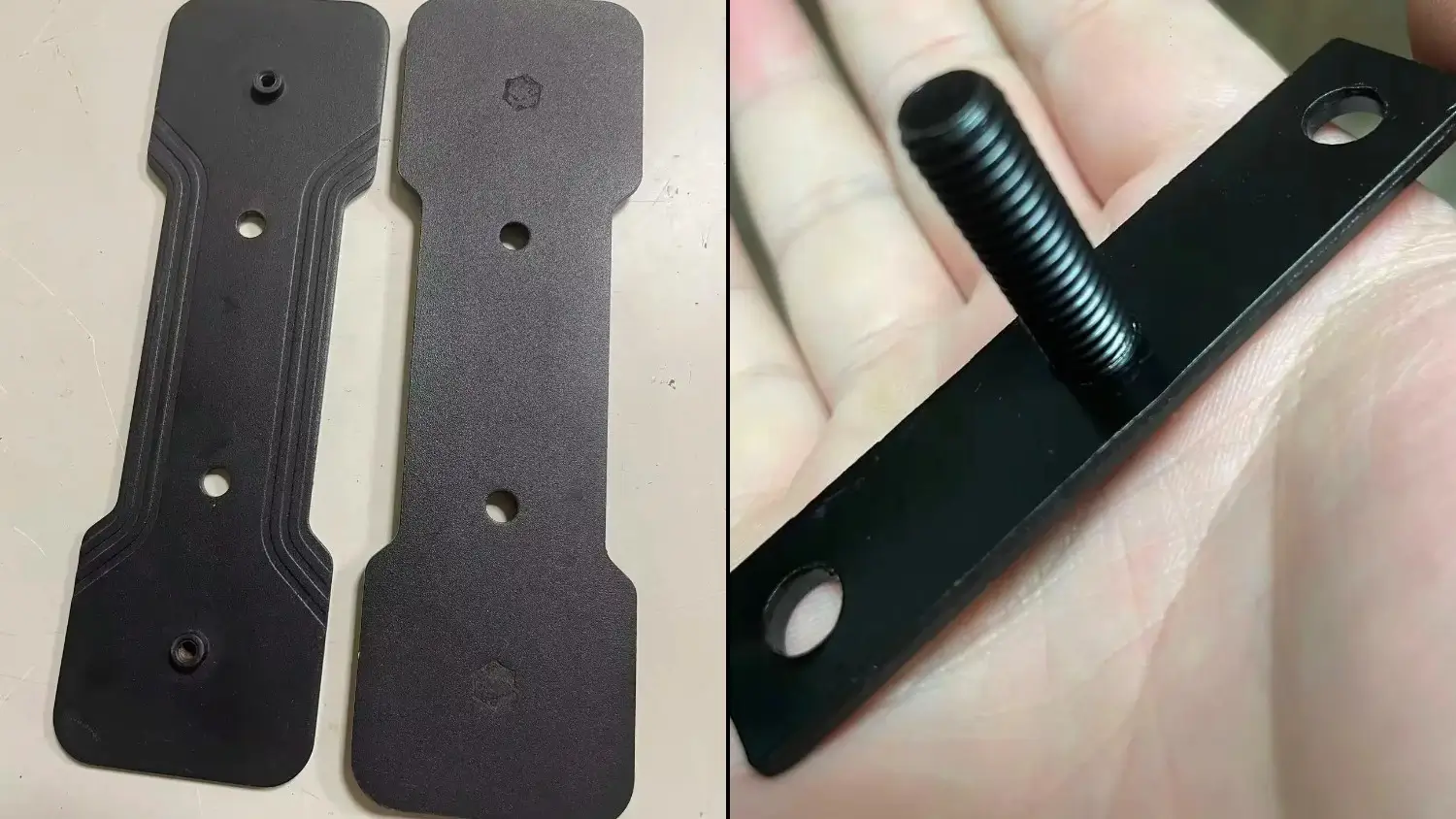
Lithium Battery Cover Plate Stamping One of our production examples is a battery cover plate stamped from Q235 steel and finished with a black powder coat. This kind of part sits at the intersection of automotive and new-energy manufacturing, where cover plates need to be dimensionally consistent across large production runs and hold up to a painted or coated finish.
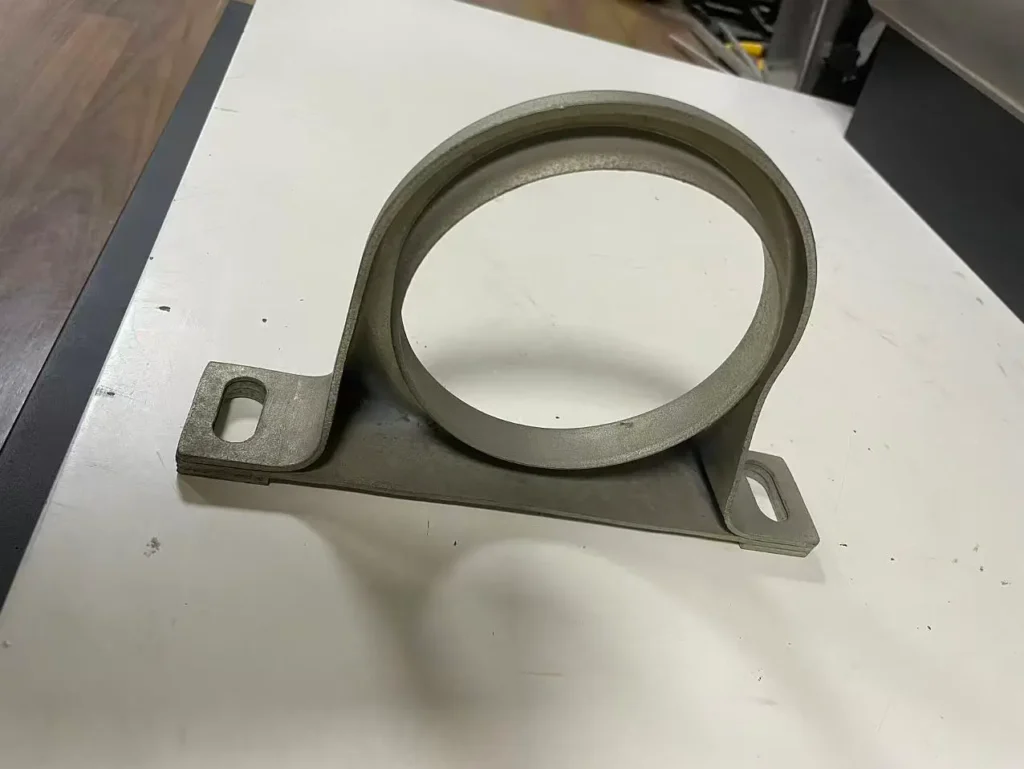
Heavy-Duty Truck Bearing Housing This part starts as a flat steel sheet and goes through deep drawing and stamping, followed by projection welding, zinc plating, and plastic overmolding. It’s a good example of what OEM manufacturing actually looks like in practice — the stamped part is rarely the finished product on its own; it usually needs several downstream processes before it’s ready to ship.
A battery cover plate stamped from Q235 steel and finished with black powder coating.A heavy-duty truck bearing housing, formed by deep drawing and stamping before welding and plating.
Electrical and Electronics Metal Stamping Parts
Electrical components are where material choice matters most, since conductivity, spring behavior, and corrosion resistance all depend on getting the right alloy and finish — not just the right shape.
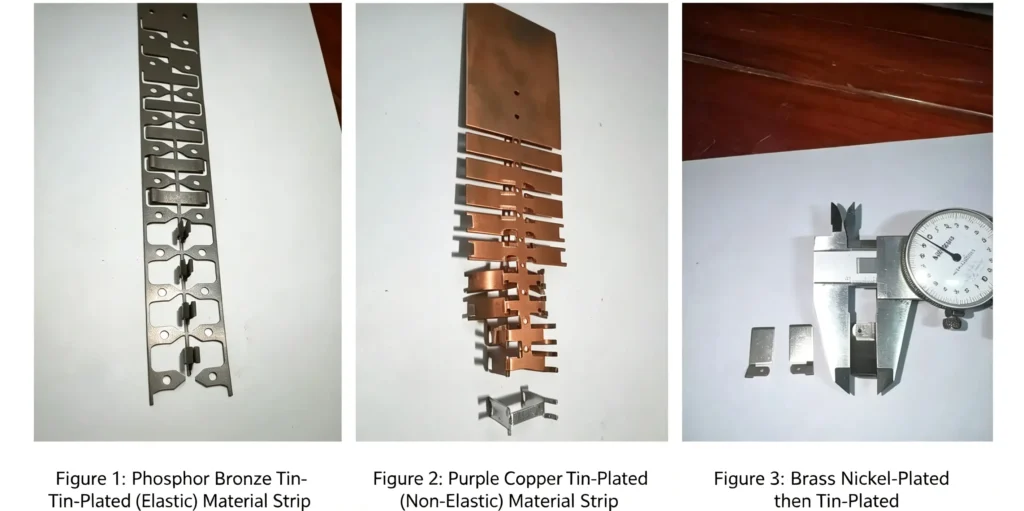
Phosphor Bronze Spring Contacts Phosphor bronze retains its elasticity after forming, which is exactly what’s needed for spring contacts — the conductive components inside power strips that need to flex and hold contact pressure. We produce these on progressive die tooling, from coil to finished part.
Pure Copper Terminal Components Pure copper doesn’t have spring elasticity, so it’s used differently — typically for terminal components that are tin-plated after forming for conductivity and corrosion protection.
Brass Connector Parts For terminal socket connectors — both male and female pin components common in household electrical products — we run brass through progressive die tooling with nickel plating, and in some cases an additional tin-plating layer for extra corrosion resistance.
Aluminum Heat Sink Components For thermal management in electronics and appliances, we also produce stamped aluminum heat sink discs, taking advantage of aluminum’s thermal conductivity and light weight.
Phosphor bronze, pure copper, and nickel-plated brass — different electrical applications call for different alloys and finishes.
Solar Metal Stamping Components
Solar mounting hardware needs to survive years of outdoor exposure, which shapes both material choice and finish requirements — and the two products below use different materials for different reasons.
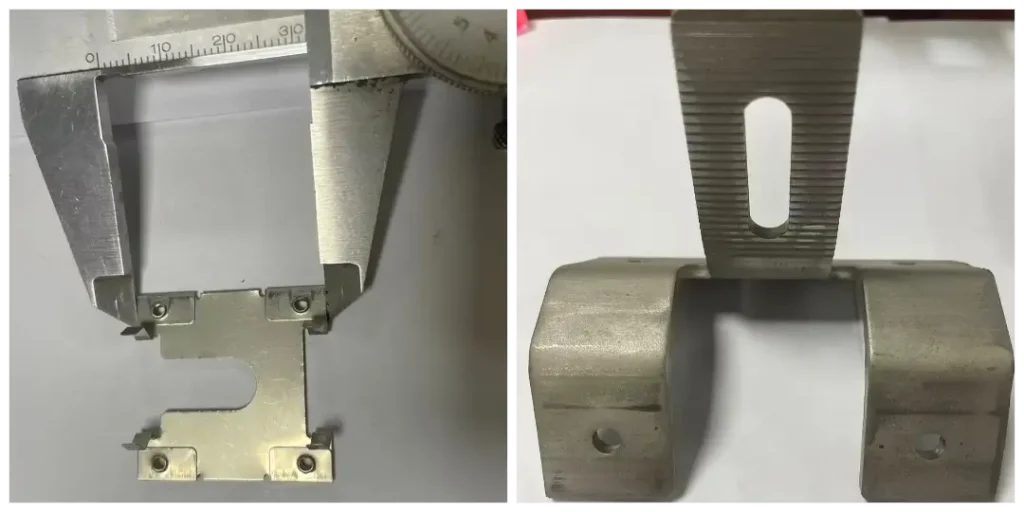
Stainless Steel Solar Conductive Clips We produce these clips from SUS304 stainless steel — parts that need both corrosion resistance and reliable electrical grounding contact. We have production video available for this part.
Solar Roof Mounting Brackets (W-Type) For color steel tile roofing, we produce W-type mounting brackets from DX51D base steel with a ZM275 (zinc-aluminum-magnesium) coating — a material choice specific to outdoor photovoltaic mounting hardware. The zinc-aluminum-magnesium coating layer gives this material a self-healing property at cut edges and scratches, which matters for roof-mounted brackets that get drilled, cut, or scratched during installation. See our dedicated guide on solar mounting bracket manufacturing and our comparison of hot-dip galvanized vs zinc-aluminum-magnesium coatings for how these two coating systems compare. We also have production video for this part.
Two different materials for two different solar applications — SUS304 for electrical grounding contact, DX51D+ZM275 zinc-aluminum-magnesium steel for corrosion-resistant roof brackets.
Watch the production process for both the SUS304 conductive clip and the DX51D+ZM275 W-type roof bracket, from coil to finished part.
Medical Device Metal Stamping Parts
For medical-adjacent applications, we produce stamped aluminum components — not finished medical devices. Metal Stamp Factory supplies stamped metal components; final device assembly, certification, and medical-use validation are completed by our customers.
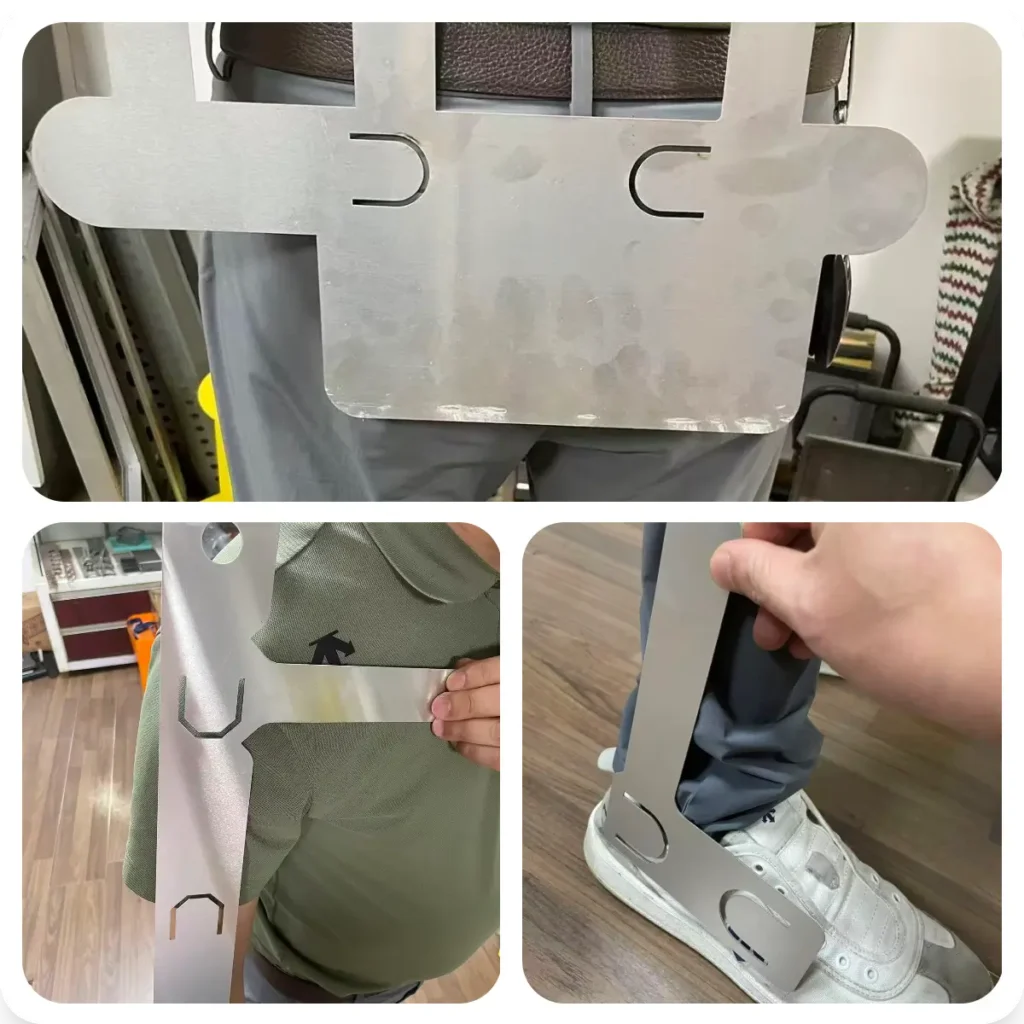
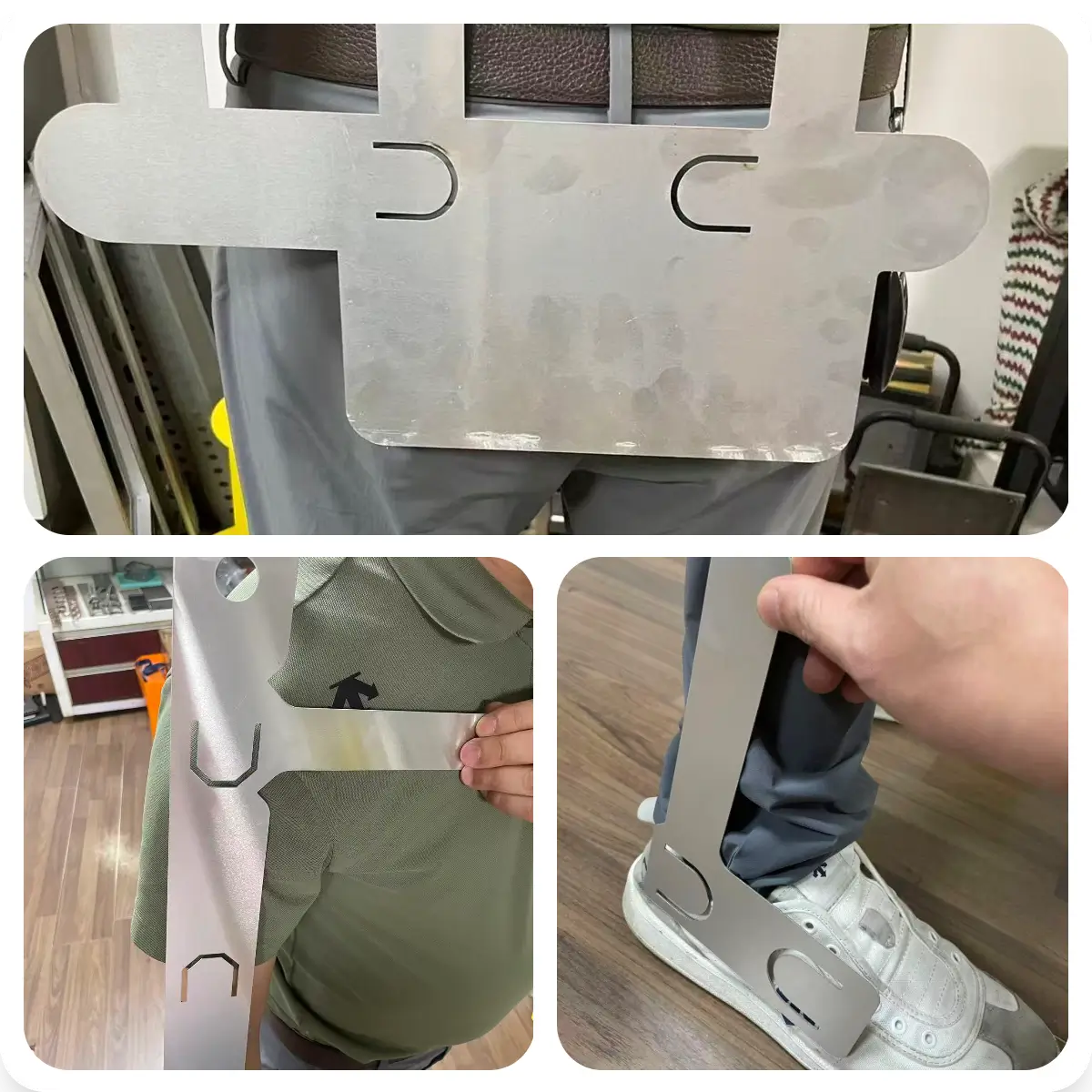
Aluminum Orthopedic Support Components One example is a set of thin aluminum support plates used in ankle, arm, and hip fracture support braces. These ship as stamped, semi-finished components — customers handle padding, assembly, and final packaging on their end.
Thin aluminum support plates for ankle, arm, and hip fracture braces — shipped as stamped semi-finished components.
Lighting Metal Stamping Parts
Lighting fixtures use more stamped hardware than most people realize — lamp brackets, mounting arms, and structural supports across a wide range of lighting products.
Lamp Bracket Stamping We produce steel lamp base components finished with spray painting and assembled with riveted screws — the base structure that supports the lamp fixture, a straightforward but high-volume application across the lighting category.
A steel lamp base component, spray painted and assembled with riveted screws — the structural base supporting the lamp fixture.
Industrial Hardware Metal Stamping Components
Industrial and general hardware covers a wide range of stamped parts that don’t fit neatly into the categories above.
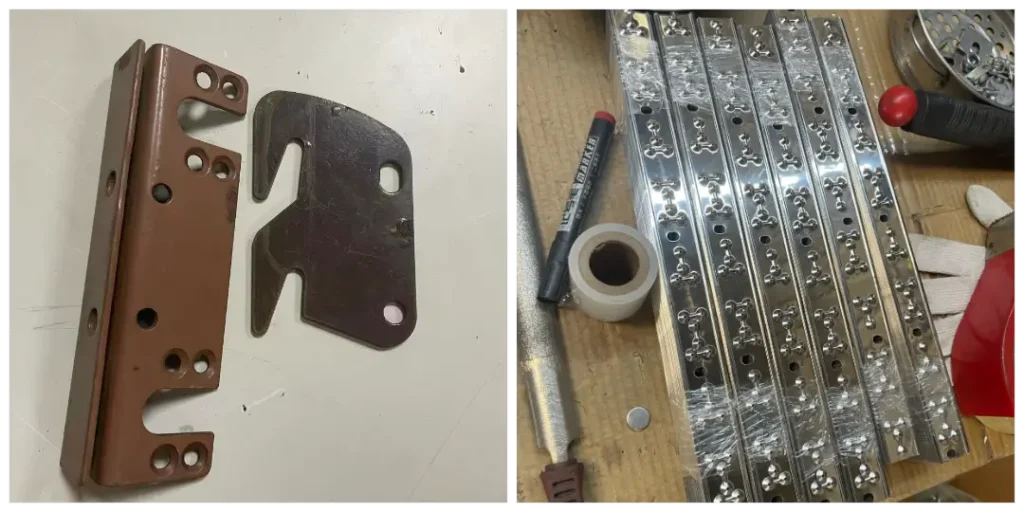
Bed Frame Hardware Clips We produce steel bed frame clips finished with spray painting — a component common in metal bed frames, particularly for export markets where this furniture style is standard.
Industrial hardware applications range from furniture clips to bird deterrent spikes, all stamped in-house.
Common Types of Metal Stamping Parts
Part Type
Typical Applications
Brackets
Automotive, solar, industrial hardware
Clips
Electrical, industrial hardware
Terminals
Electronics, electrical connectors
Covers
Battery components, equipment enclosures
Housings
Automotive, industrial equipment
Materials Used in Different Metal Stamping Applications
Industry
Common Materials
Automotive
Carbon steel, galvanized steel
Electrical
Copper, brass, phosphor bronze
Solar
Galvanized steel, ZAM, stainless steel
Medical
Aluminum
Industrial Hardware
Steel, stainless steel
Material choice always follows the application, not the other way around — see our full metal stamping materials guide for how these compare on strength, cost, and formability. Material specifications across these industries may also reference standards published by ASTM.
How OEM Buyers Select a Metal Stamping Supplier
Choosing a supplier for a specific application comes down to a few practical checks: does the manufacturer have real experience with parts like yours, do they design and build their own progressive die tooling in-house, how do they handle quality control, and can they manage secondary operations (plating, painting, welding) rather than leaving you to coordinate multiple vendors.
We cover the complete evaluation framework in our Buyer Guide, and the full production sequence — from drawing review to mass production — in our metal stamping process guide.
Why OEM Customers Choose Metal Stamp Factory
Metal Stamp Factory was established in 2014 in Xiamen, China, focusing on custom metal stamping and precision hardware manufacturing. The founder of Metal Stamp Factory, Shengtong Chen, started learning mold making and metal stamping at the age of 17 and has accumulated more than 25 years of hands-on manufacturing experience in tooling development, metal stamping, and OEM production.
From automotive battery components to electrical terminals, solar brackets, and medical aluminum parts, Metal Stamp Factory supports OEM customers across different industries with real stamping experience — not just a capability list. Learn more about our custom metal stamping services, or send us your drawing to request a quote.
Metal Stamping Applications FAQ
What industries use metal stamping? Metal stamping is widely used in automotive, electronics and electrical, solar and renewable energy, medical device components, lighting, and general industrial hardware — anywhere manufacturers need repeatable metal parts at volume.
What parts can be made with metal stamping? Common stamped parts include brackets, clips, terminals, connectors, covers, and structural housings, ranging from small electrical contacts to larger automotive and industrial components.
What materials are commonly used for stamped metal parts? Material choice depends on the application: carbon and galvanized steel for automotive and structural parts, copper and brass alloys for electrical conductivity, aluminum for lightweight components, and stainless steel for corrosion resistance.
Is metal stamping suitable for automotive components? Yes — automotive is one of the largest users of stamped parts, since stamping delivers the repeatability, volume, and cost control automotive production requires, for parts like brackets, housings, and battery components.
How do OEM buyers choose a metal stamping supplier? Look at whether the manufacturer has real experience with parts similar to yours, whether they design and build tooling in-house, how they handle quality control, and whether they can manage secondary operations like plating or painting. See our full Buyer Guide for the complete framework.