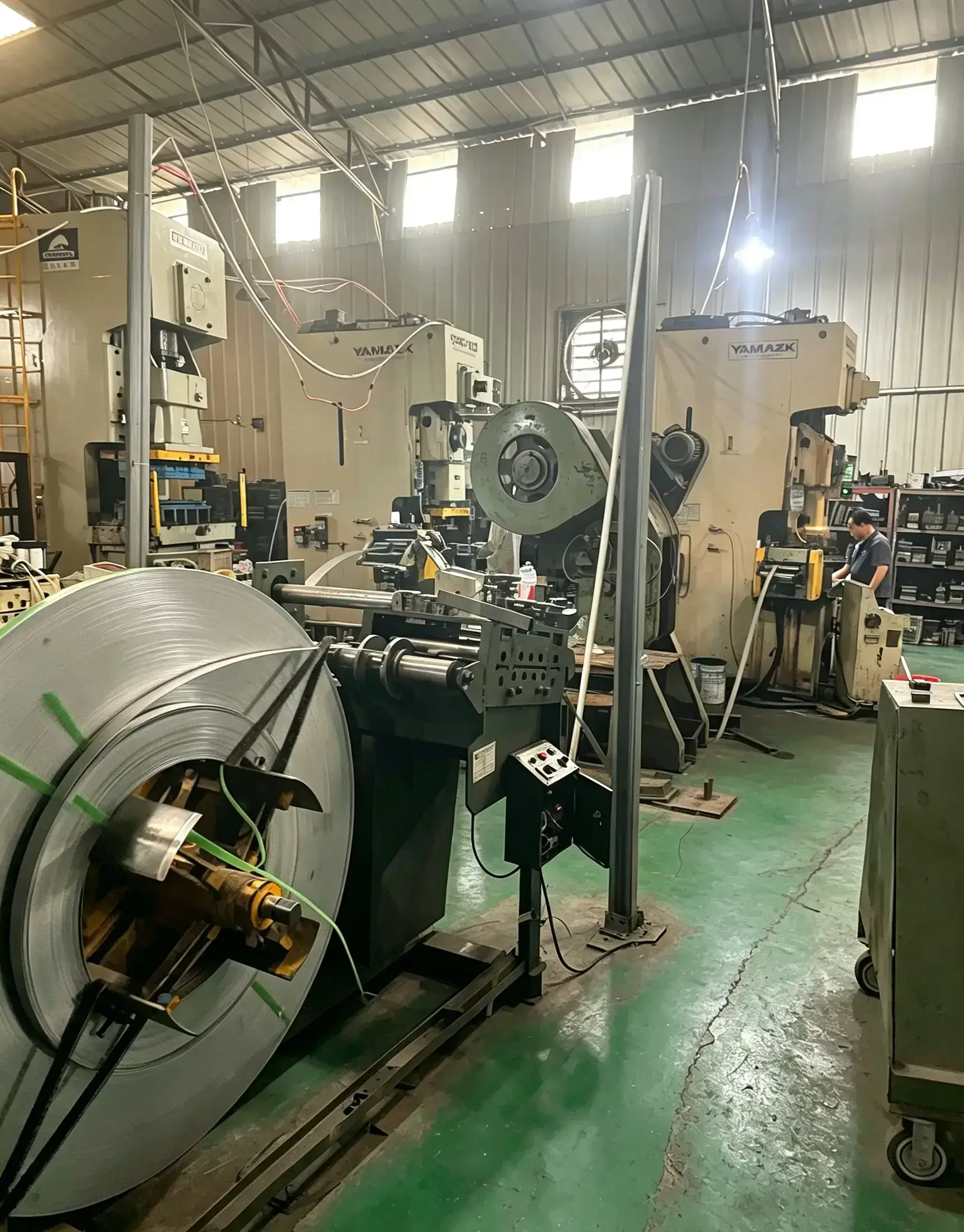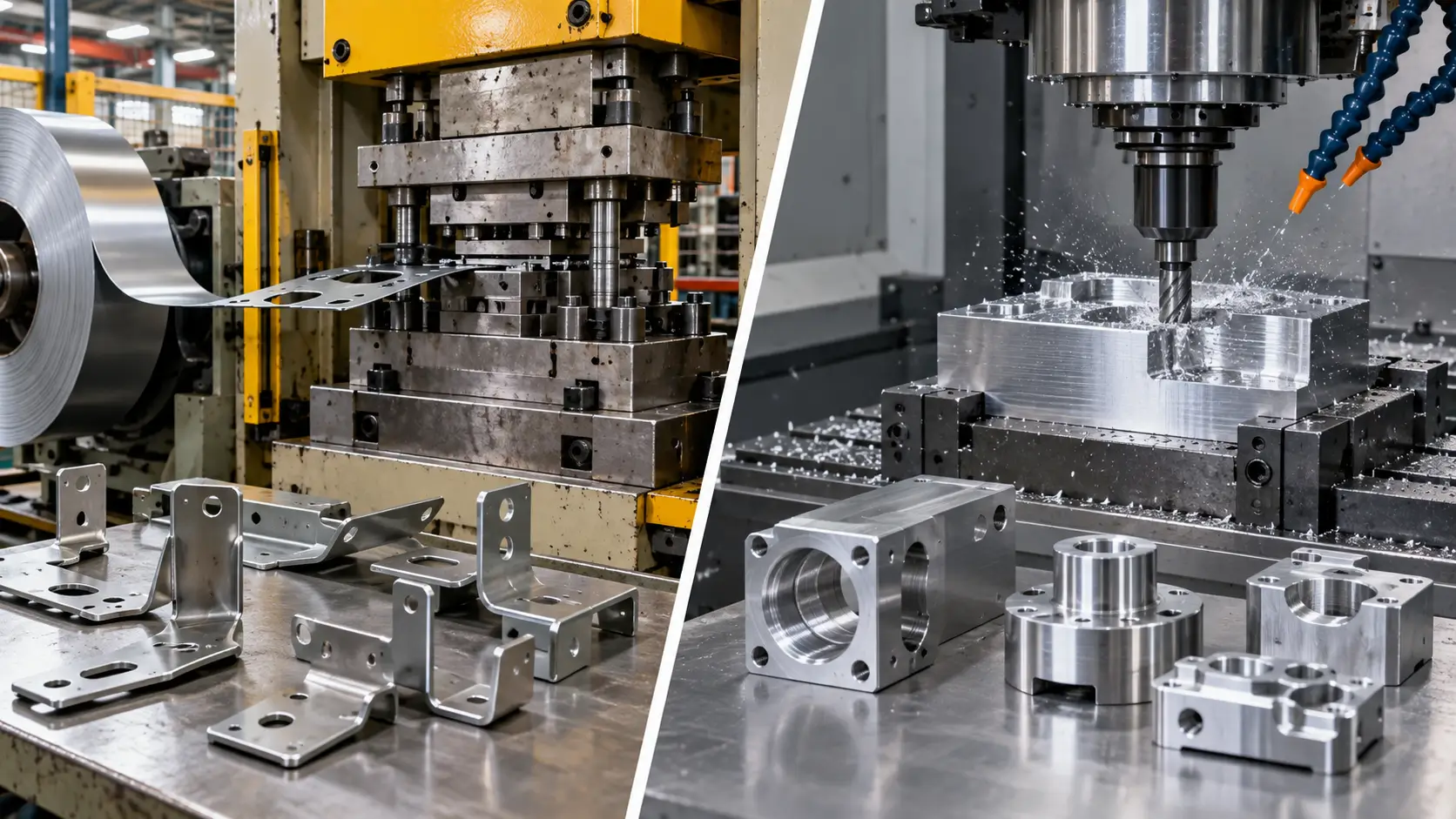
Solar metal stamping parts are the mounting brackets, conductive clips, and structural components that make up a photovoltaic mounting system — produced through stamping because solar installations need large quantities of dimensionally consistent parts that can survive years outdoors. This guide covers common part types, materials, the manufacturing process, and two real OEM case studies.
What Are Solar Metal Stamping Parts?
Solar metal stamping parts are components formed from coil or sheet metal, using a stamping press and die, specifically for photovoltaic mounting and racking systems. This covers roof and ground mounting brackets, clips, clamps, conductive/grounding components, and structural connectors. Stamping is well-suited to solar hardware because these systems need large quantities of the same part, produced consistently, at a cost that doesn’t blow out the overall project budget.
Why Metal Stamping Is Used in Solar Applications
Solar hardware has a specific set of requirements that stamping is well positioned to meet: parts need to survive years of outdoor exposure (rain, humidity, temperature swings, and in some locations coastal salt air), hold structural strength under wind and snow load, and be produced at the volume solar installations require. See our full metal stamping applications guide for how this compares across other industries — solar is one of several sectors where repeatability and corrosion resistance matter more than part complexity.
Common Solar Metal Stamping Parts and Components
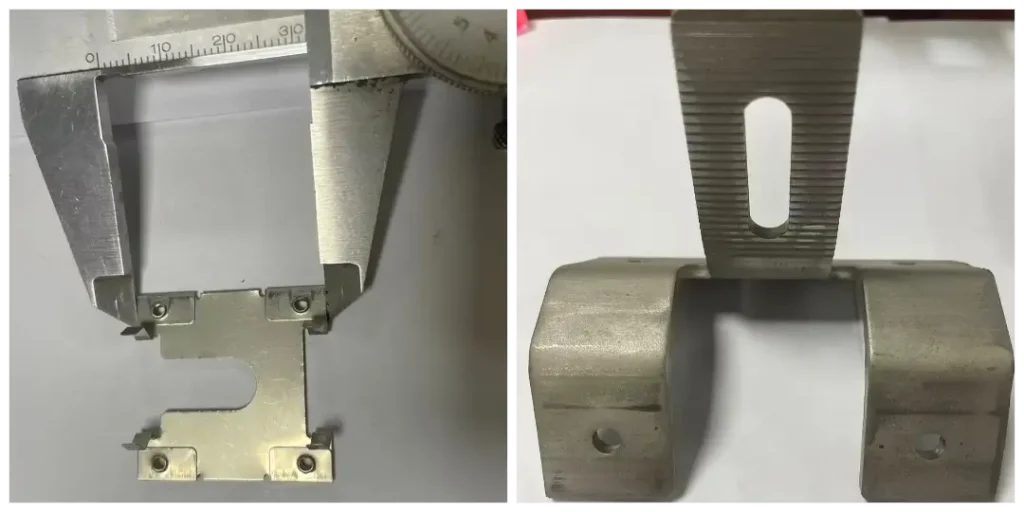
Solar Mounting Brackets — roof brackets, ground support brackets, and W-type brackets for color steel tile roofing
Solar Clips and Fasteners — clips, clamps, and fixing parts that secure panels to the mounting structure
Solar Electrical Conductive Components — conductive clips and grounding components that maintain electrical continuity across the array
Solar Structural Components — plates, connectors, and supports that tie the mounting system together
Solar Metal Stamping Parts Classification Guide
| Component Type | Typical Examples | Main Function |
|---|---|---|
| Mounting Brackets | Roof brackets, ground brackets, W-type brackets | Secure solar panels to mounting structures |
| Clips and Fasteners | Panel clips, clamps, fixing components | Maintain mechanical connection |
| Conductive Components | Grounding clips, conductive contacts | Maintain electrical continuity |
| Structural Components | Plates, connectors, support brackets | Provide system strength and stability |
Materials Used for Solar Metal Stamping Parts
| Material | Key Property | Typical Use |
|---|---|---|
| Carbon Steel | Cost-effective, structural | Support brackets |
| Galvanized Steel | Zinc coating protection | Outdoor mounting hardware |
| ZAM Coated Steel | Enhanced corrosion resistance | Roof brackets, coastal installations |
| Stainless Steel (SUS304) | Corrosion resistance + conductivity | Conductive clips |
Material selection for solar stamping parts depends on corrosion exposure, structural requirements, forming difficulty, and production volume — not on picking the “best” material in the abstract. Carbon steel, backed by standards from the World Steel Association, remains the most cost-effective option for structural brackets that don’t face direct corrosion exposure. See our full metal stamping materials guide for how these materials compare, and material specifications may also reference standards published by ASTM International.
Solar Mounting Bracket Manufacturing Process
A typical solar bracket project moves through:
Customer drawing → Material selection → Progressive die design → Stamping → Bending → Surface treatment → Inspection
Before tooling starts, OEM buyers should confirm material grade, thickness, annual volume, and the installation’s application environment — these four factors drive most of the decisions that follow.
Solar Metal Stamping Manufacturing Workflow
| Manufacturing Stage | Key Activities |
|---|---|
| Engineering Review | Drawing review, material confirmation, process planning |
| Material Selection | Confirm grade, thickness, and corrosion requirements |
| Tooling Development | Progressive die design and testing |
| Stamping Production | Piercing, blanking, bending, forming |
| Surface Treatment | Galvanizing, ZAM coating, or other protection methods |
| Inspection | Dimensional verification and quality checks |
Progressive Die Stamping for Solar Components
High-volume solar parts are often well suited to progressive die stamping, where multiple operations — piercing, bending, forming — are completed within one continuous tooling process as the strip advances through stations. This keeps labor cost down and dimensional consistency high across a large production run, which matters for solar projects where thousands of identical brackets or clips need to fit together the same way every time.
Case Study: 304 Stainless Steel Solar Conductive Clips
We produce SUS304 stainless steel conductive clips through progressive die stamping — coil feeding, punching, bending, and surface inspection. Electrical conductivity and corrosion resistance are both critical for solar components exposed to outdoor environments, and 304 stainless steel balances both requirements: it holds up to rain and humidity over years of outdoor exposure while maintaining the electrical contact these clips need to provide grounding continuity. We have production video available for this part.
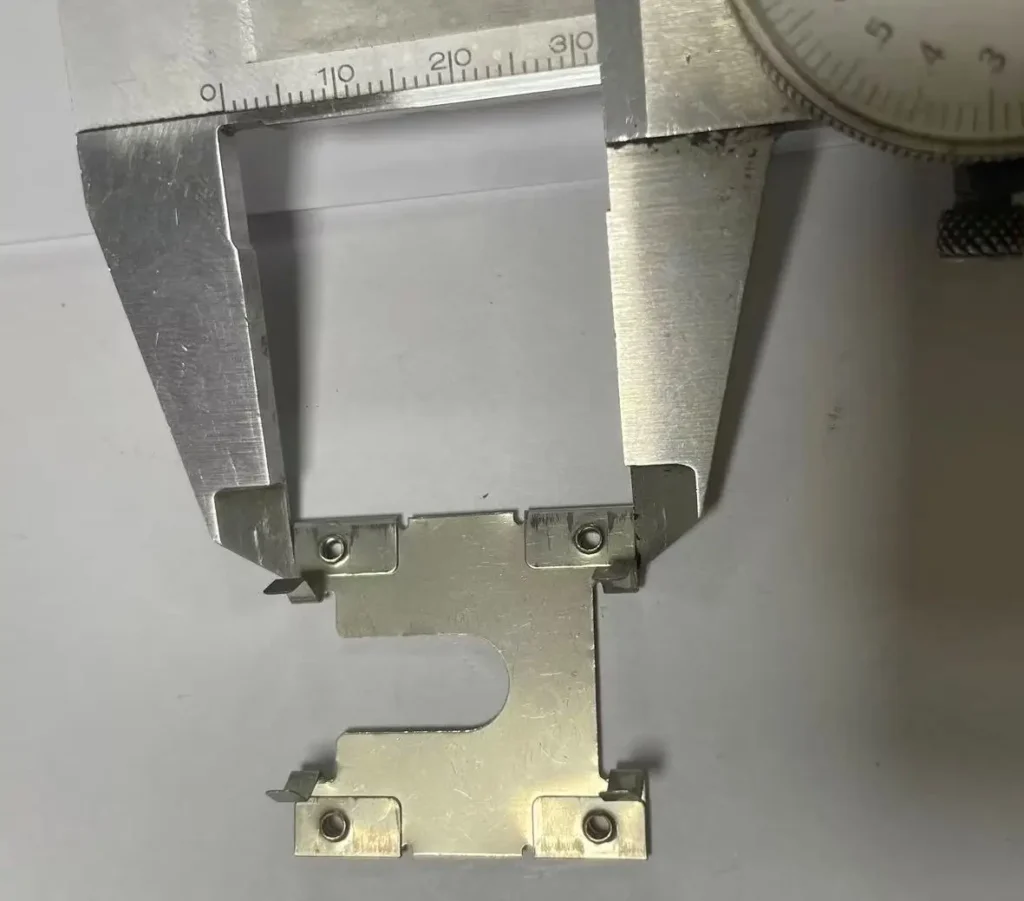
Watch the SUS304 conductive clip being produced on progressive die tooling, from coil to finished part.
Case Study: W-Type Solar Roof Mounting Brackets
For color steel tile roofing, we produce W-type mounting brackets from DX51D base steel with a ZM275 (zinc-aluminum-magnesium) coating — see our dedicated guide on solar mounting bracket manufacturing for the full process. Roof mounting components need both structural strength and corrosion resistance, since they’re installed outdoors for years without easy access for maintenance. The coil goes through stamping and forming to produce the finished bracket shape. We have production video available for this part as well.
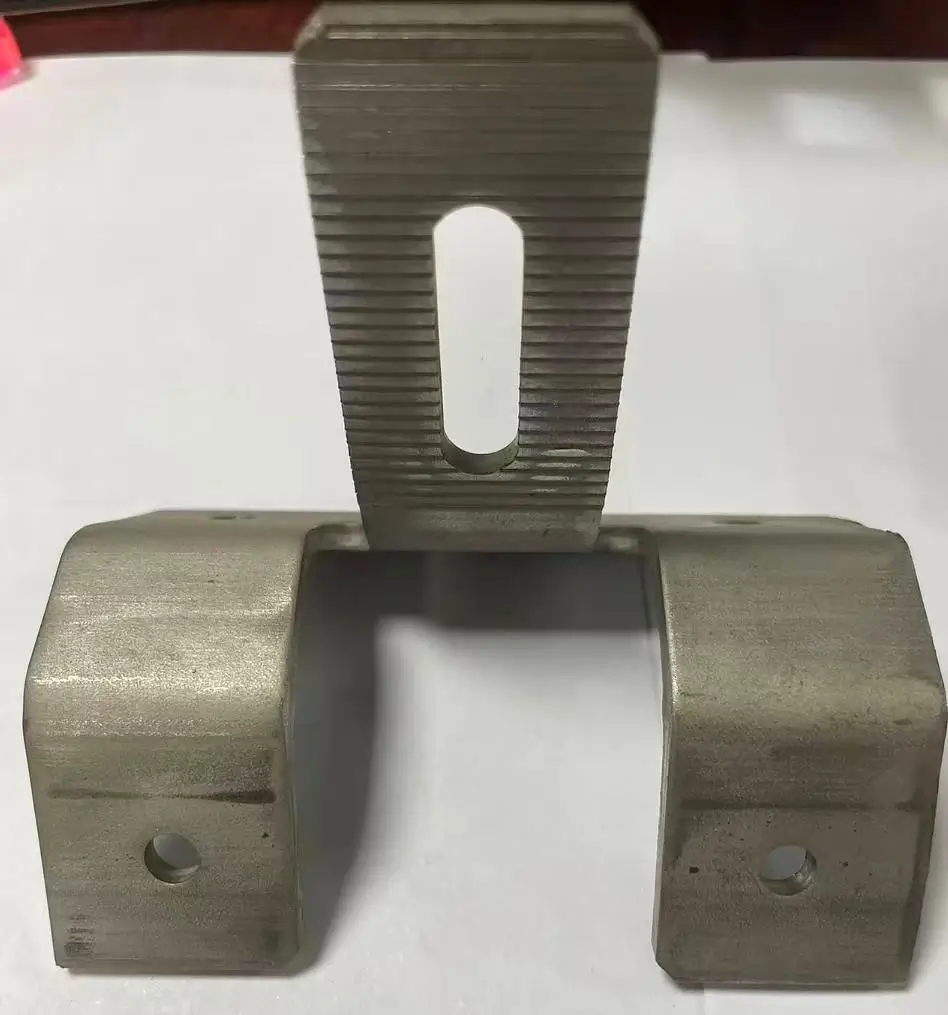
Watch the W-type roof mounting bracket being stamped from DX51D+ZM275 zinc-aluminum-magnesium coated steel.
How Material Selection Affects Solar Stamping Performance
Choosing the wrong material for a solar part shows up later, not immediately — a bracket that looks fine on day one can start corroding within a couple of seasons if the coating wasn’t matched to the installation environment. Material selection also affects tooling: the same bracket design may need a different die approach depending on material thickness, hardness, and forming behavior, which is why we confirm material before finalizing tooling rather than after.
Surface Treatments for Solar Metal Parts
Zinc coating and ZAM (zinc-aluminum-magnesium) coating are the two most common corrosion protection options for solar steel hardware — see our comparison of hot-dip galvanized vs zinc-aluminum-magnesium coatings for how they perform differently depending on the installation environment. For stainless steel conductive components, no additional coating is typically needed, since 304 stainless resists corrosion on its own.
Solar Metal Part Material and Coating Selection Guide
| Material / Coating | Typical Application | Main Advantage |
|---|---|---|
| Carbon Steel | Structural brackets | Cost-effective structural solution |
| Galvanized Steel | General outdoor mounting hardware | Corrosion protection at moderate cost |
| ZAM Coated Steel | Coastal or demanding environments | Enhanced corrosion resistance |
| SUS304 Stainless Steel | Conductive clips and grounding parts | Corrosion resistance and conductivity |
Design Considerations Before Tooling Solar Stamping Parts
Before starting tooling, OEM buyers should have ready:
- Part drawings or samples
- Material grade and thickness requirements
- Target quantity and expected annual volume
- The installation’s application environment (roof type, coastal exposure, climate)
Confirming these upfront avoids the most common source of delay: discovering a material or tolerance mismatch after the die is already built.
Common Challenges in Solar Metal Stamping Production
- Material substitution — a customer specifies one grade, but sourcing pressure leads to a substitute material being used without confirmation; always verify material against the mill test certificate
- Corrosion concerns — choosing a coating that doesn’t match the actual installation environment (coastal vs. inland, for example)
- Tooling design mismatches — a die designed around the wrong material thickness or hardness leads to forming problems down the line
How OEM Buyers Choose a Solar Metal Stamping Supplier
For solar components specifically, check whether a supplier has real experience with the materials your project needs (galvanized, ZAM, or stainless), their tooling capability for high-volume progressive die work, their manufacturing process, and how clearly they communicate through sample approval. We cover the complete evaluation framework in our Buyer Guide: how to choose a metal stamping manufacturer.
Solar Metal Stamping Supplier Evaluation Checklist
| Evaluation Area | What OEM Buyers Should Verify |
|---|---|
| Material Experience | Capability with galvanized steel, ZAM, stainless steel, and aluminum |
| Tooling Capability | Progressive die design and high-volume production support |
| Corrosion Protection | Understanding of coating requirements for installation environments |
| Quality Control | Sample approval and dimensional verification process |
| OEM Communication | Engineering feedback and project support |
Metal Stamp Factory Solar Metal Stamping Capabilities
Metal Stamp Factory was established in 2014 in Xiamen, China, focusing on custom metal stamping and precision hardware manufacturing. The founder of Metal Stamp Factory, Shengtong Chen, started learning mold making and metal stamping at the age of 17 and has accumulated more than 25 years of hands-on manufacturing experience in tooling development, metal stamping, and OEM production.
Our solar-related experience covers stainless steel, galvanized steel, ZAM-coated steel, aluminum, and copper alloys — from conductive clips to structural roof brackets.
Request a Custom Solar Metal Stamping Quote
Ready to start your solar stamping project? Send us your drawing or sample, material requirement, and estimated quantity. Learn more about our custom metal stamping services, or browse more real production examples in our case studies.
Solar Metal Stamping Parts FAQ
What parts can be made with solar metal stamping? Common solar stamped parts include mounting brackets, clips, conductive/grounding components, and structural connectors used in photovoltaic mounting and racking systems.
What materials are used for solar stamped parts? Common materials include carbon steel, galvanized steel, ZAM-coated steel, and stainless steel (SUS304) — material choice depends on corrosion exposure, structural requirements, and cost.
Are solar brackets suitable for progressive die stamping? Yes — high-volume solar parts are often well suited to progressive die stamping because this process helps maintain consistent production quality and improve production efficiency during large production runs.
How do I choose material for solar stamping parts? Consider the installation’s corrosion exposure (coastal vs. inland), structural load requirements, forming difficulty, and production volume — not just upfront material cost.
Can you manufacture custom solar metal stamping parts? Yes — send us your drawing or sample, material requirement, and target quantity, and our engineering team will review the project and recommend a manufacturing approach.