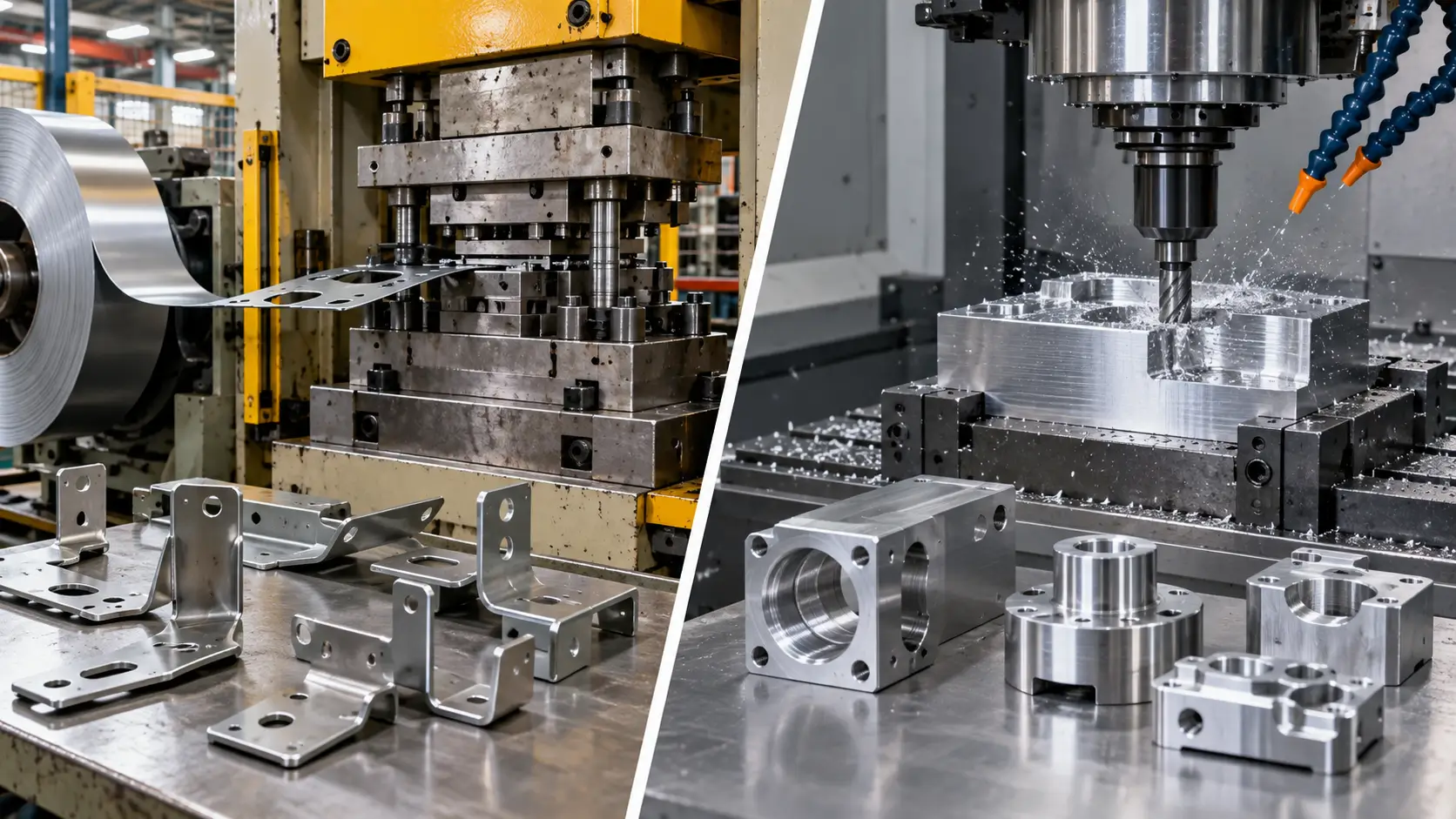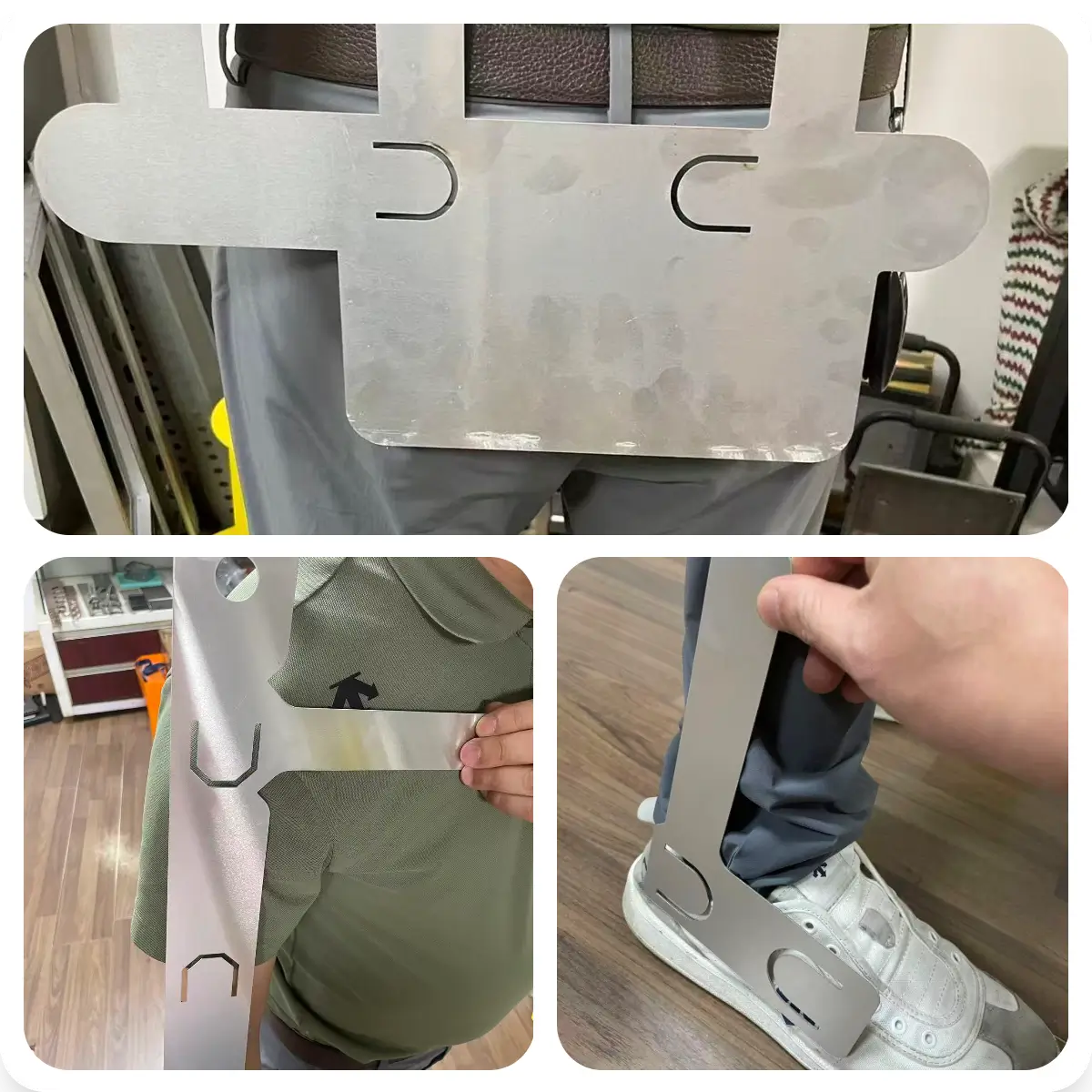
Answer Summary: Choosing the right metal stamping manufacturer means evaluating five things before you send a drawing out for quotes: production capability, in-house tooling and die experience, quality control process, realistic lead time, and total cost — not just the unit price. This guide walks through each factor from a working factory’s perspective, so you know exactly what to ask before committing to a tool.
New to the topic? Start with our guide on what metal stamping is.
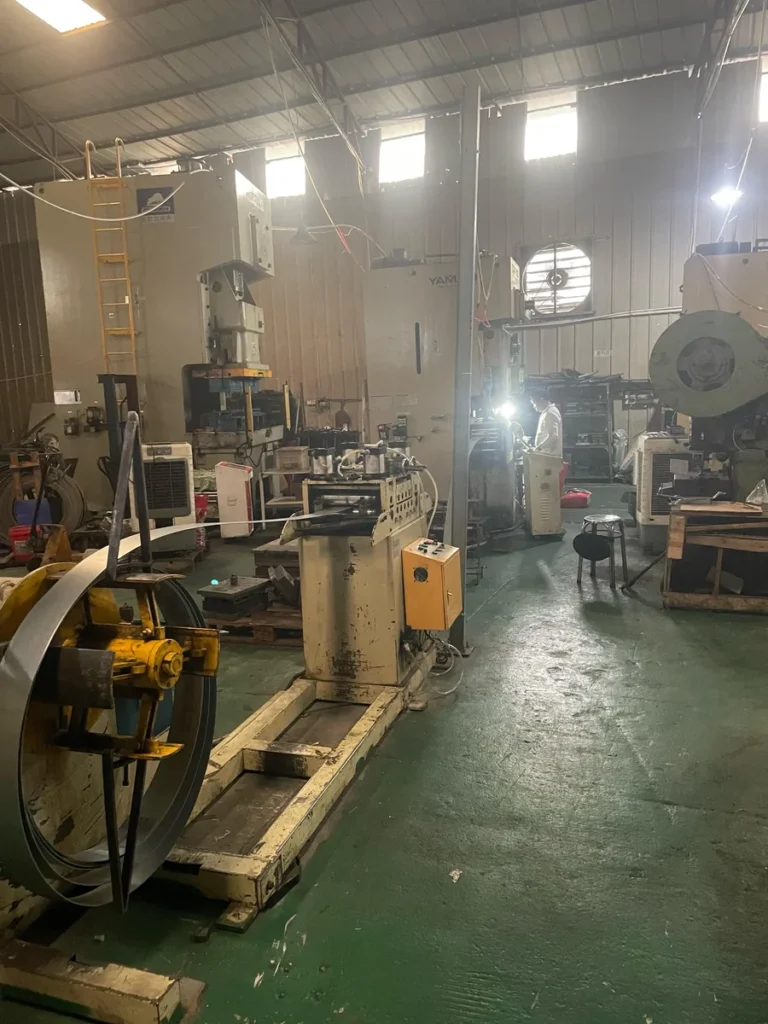
Why Choosing the Right Metal Stamping Manufacturer Matters
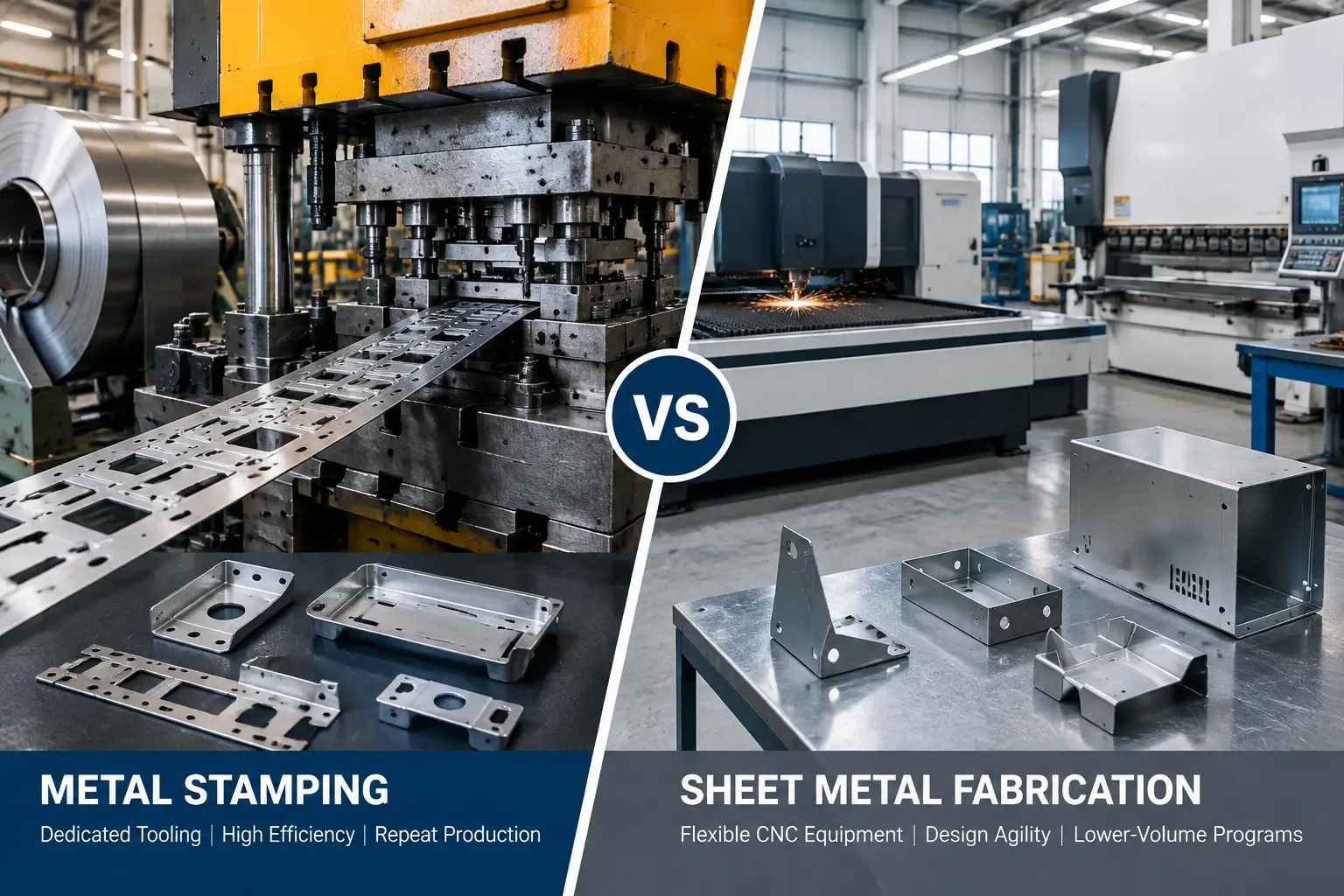
Picking a metal stamping supplier is not the same as picking a general sheet metal fabricator (here’s how the two compare). Once a die is built around your part geometry, switching suppliers mid-project is expensive and slow — you’re not just moving a purchase order, you’re moving tooling, process knowledge, and sometimes months of trial-and-error.
Get the choice wrong and the risks show up later, not immediately:
1.Delayed delivery because the “manufacturer” was actually a trading company waiting on a subcontracted press shop
2.Dimensional problems traced back to a die that was designed by someone other than the factory running it
3.Unexpected tooling rework costs when the die wasn’t built to handle your production volume
4.Communication gaps that turn a two-day drawing clarification into a two-week delay
None of these show up on a quotation. They show up three weeks into a project. That’s why the evaluation has to go deeper than price per piece.
Metal Stamping Manufacturer Evaluation Checklist
Before the detailed breakdown below, here’s a quick-reference table you can use while screening suppliers.
| Evaluation Factor | What Buyers Should Check |
|---|---|
| Manufacturing Capability | Press tonnage, materials processed, part size range |
| Tooling & Die Experience | In-house design vs. outsourced, die maintenance responsibility |
| Quality Control | Incoming inspection, first article inspection, final inspection |
| Lead Time | Tooling time, sample time, mass production schedule |
| Cost Structure | Material, tooling, quantity breaks, surface treatment |
| Communication | Drawing review turnaround, engineering feedback quality |
Keep this table next to your RFQ list — it turns a vague “who should we use” decision into a side-by-side comparison.
Prepare Your Part Drawings and Technical Requirements First
Before a manufacturer can provide an accurate quote and evaluate production feasibility, they need a complete technical understanding of your part requirements. The following RFQ checklist summarizes the key information buyers should provide before requesting a metal stamping quotation.
Metal Stamping RFQ Information Checklist
| Required Information | Why It Matters |
|---|---|
| 2D Drawing / 3D Model | Defines geometry and manufacturing feasibility |
| Material Grade and Thickness | Determines forming capability and tooling design |
| Tolerance Requirements | Defines inspection requirements |
| Surface Finish | Determines secondary processing needs |
| Annual Volume | Supports tooling investment decisions |
| Application Requirements | Helps evaluate functional requirements |
From the factory floor: Before quoting a stamping project, we review the customer’s drawing to confirm material thickness, forming direction, and whether the part needs a simple die or a progressive die. A part that looks simple on paper — a single bracket with two bends — can still require checking bend allowance and spring-back before we can commit to a tooling structure. Drawings that skip tolerance callouts are the most common reason a quote gets delayed, because we have to go back and ask.
If your drawing is incomplete, a manufacturer who asks detailed clarifying questions before quoting is usually a better sign than one who quotes instantly off a rough sketch.
Define Your Production Quantity and Expected Volume
Quantity changes which manufacturing route makes sense:
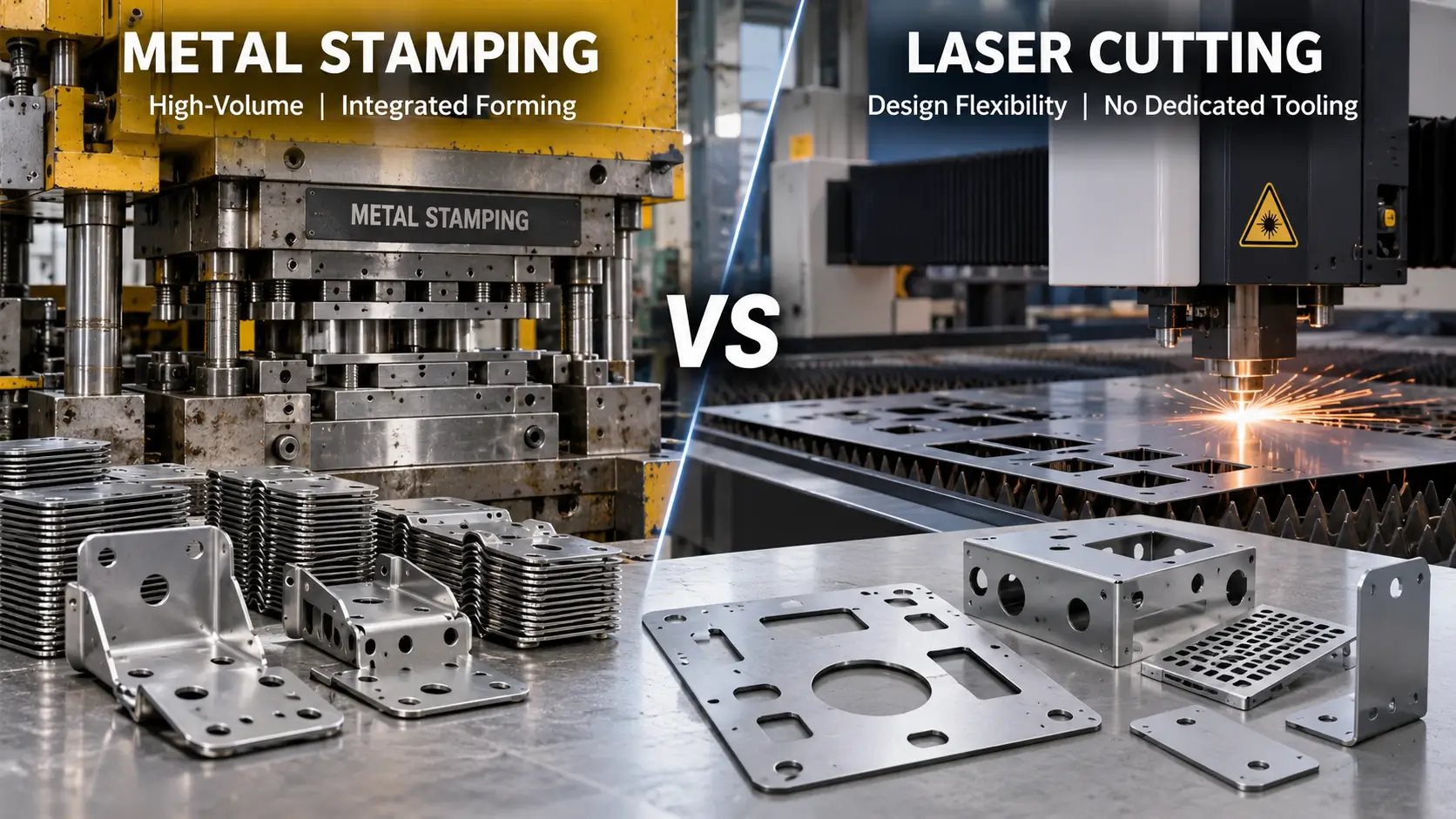
1.Prototype or very low volume (under ~500 pcs): often made with a simple die, or in some cases CNC/laser cutting plus bending, without investing in a full progressive die
2.Mid to high volume: progressive die stamping becomes cost-effective, since tooling cost is spread across a larger unit count
3.Ongoing repeat orders: worth discussing die durability and maintenance schedule up front, since a die built for 50,000 hits behaves differently at 500,000
Tell your supplier your realistic annual volume early — not just the first PO quantity. It affects which tooling approach they recommend, and a manufacturer who asks about this before quoting is thinking about your total cost, not just the first order.
Evaluate Production Equipment and Press Capacity
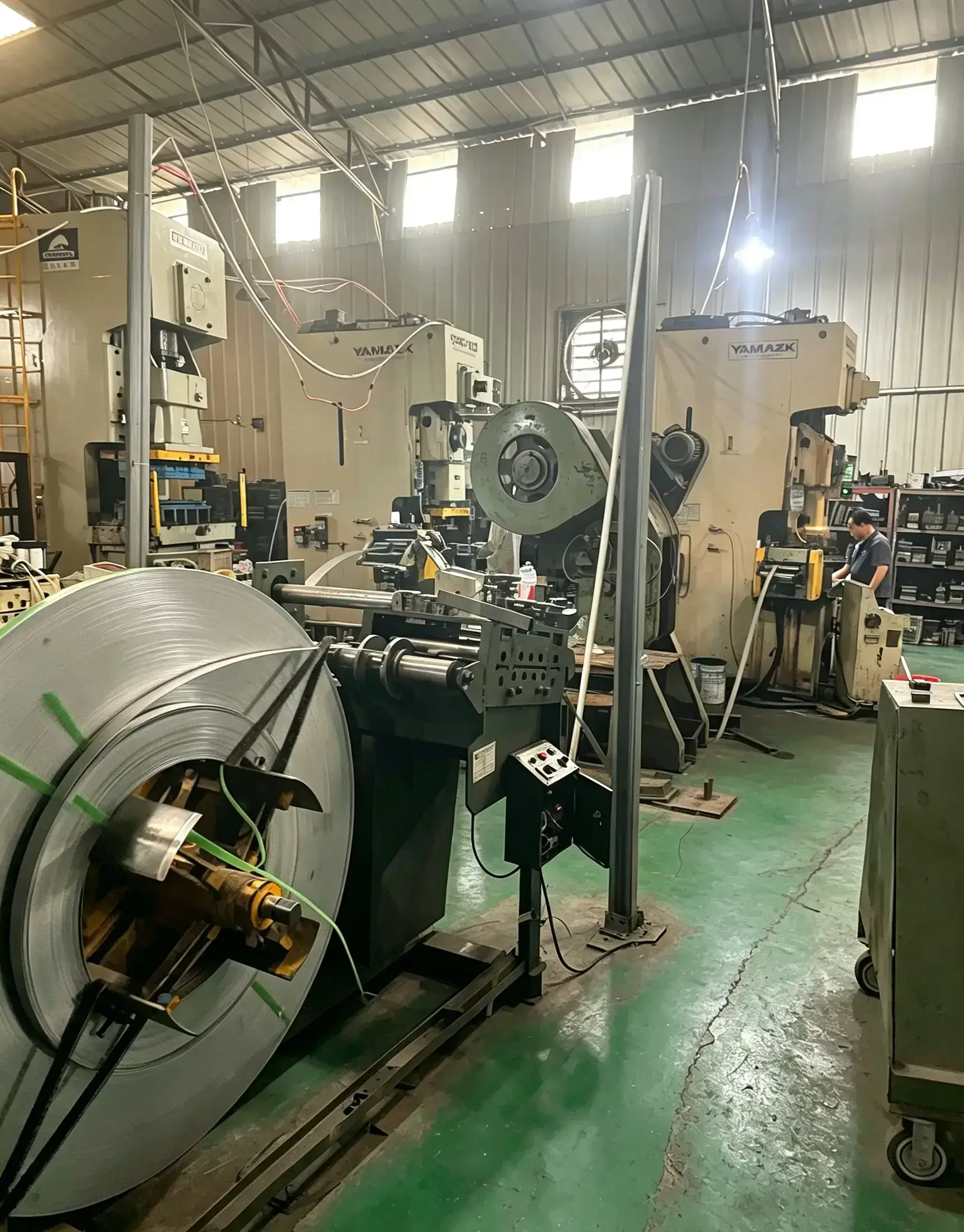
Ask what press tonnage range the manufacturer runs, and confirm it against your part’s size and forming force requirement — not just a general “we have presses” answer. A shop running 16–400 ton presses can typically handle small brackets through mid-size structural stampings; larger structural automotive panels need heavier tonnage than a small-parts stamping house is set up for.
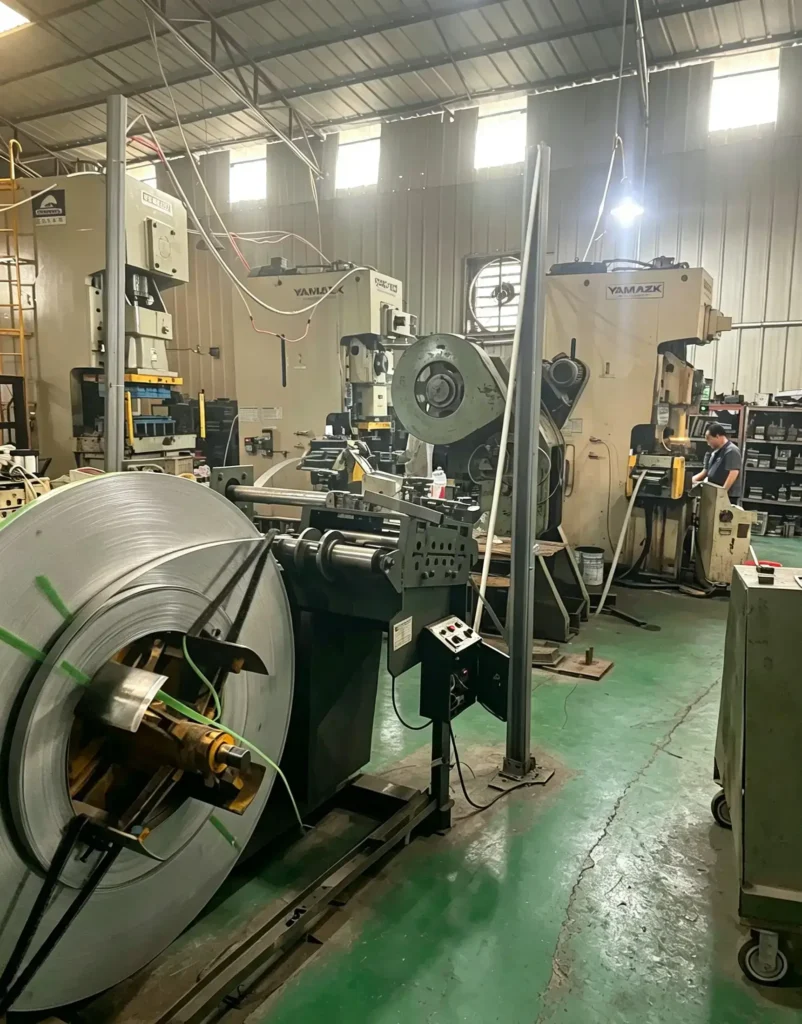
Also ask about:
1.Part size range the equipment realistically covers
2.Coil-fed vs. sheet-fed capability, which affects speed on higher-volume runs
3.Secondary process handling — bending, forming, and punching done in-house vs. sent out
Metal Stamping Manufacturer Capability Checklist
| Capability Area | What Buyers Should Verify |
|---|---|
| Press Capacity | Tonnage range and suitable part sizes |
| Material Capability | Steel, stainless steel, aluminum, copper processing experience |
| Tooling Capability | In-house die design, maintenance, and modification support |
| Production Method | Progressive die, single-stage die, transfer stamping capability |
| Secondary Operations | Welding, plating, coating, assembly coordination |
| Quality Control | Incoming material inspection, FAI, final inspection |
Check Material Processing Capability
Confirm the manufacturer regularly works with your specific material, not just a general “we do metal stamping” claim. Common materials in OEM stamping include:
1.Carbon steel and cold rolled steel (SPCC)
2.Hot-dip galvanized steel (SGCC), including specific coating weights like Z80 or Z120
3.Zinc-Aluminum-Magnesium coated steel (ZAM)
4.Stainless steel — SUS304, SUS316, and awareness of 200-series (201) substitution risk, which is a real issue when sourcing overseas (see our grade verification guide)
5.Iron and mild steel (Q235, SPHC), plus spring steel for parts requiring higher yield strength and elasticity, such as clips and spring contacts
6.Aluminum, including natural (clear) anodized and black anodized finishes for corrosion resistance and appearance
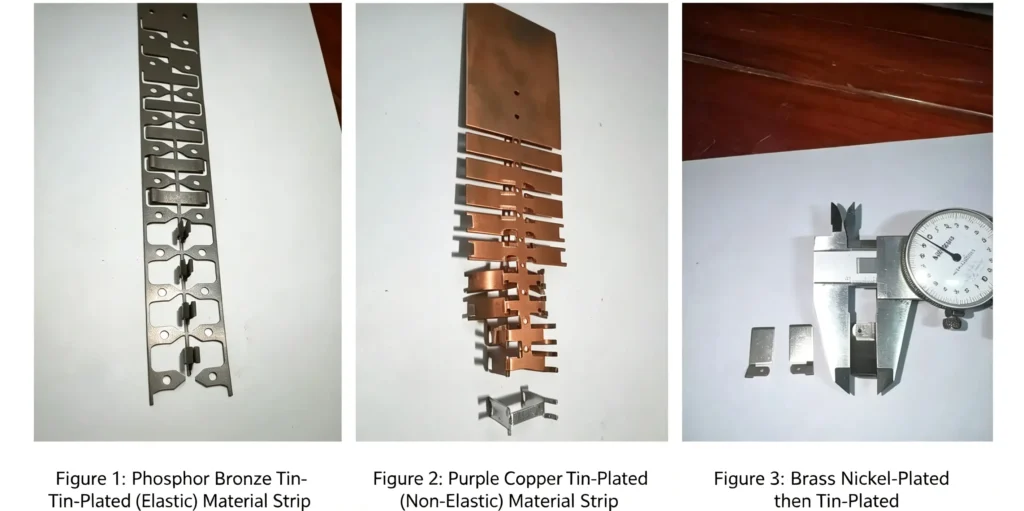
7.Copper and copper alloys, in several grades and finishes depending on the application — pure copper, phosphor bronze/phosphor copper, and brass with either nickel plating or nickel-plus-tin plating, commonly used for conductive parts and connectors
For more detail on properties and typical uses across these materials, see our complete guide to metal stamping materials. Material specifications and testing requirements may also follow internationally recognized standards such as ASTM.
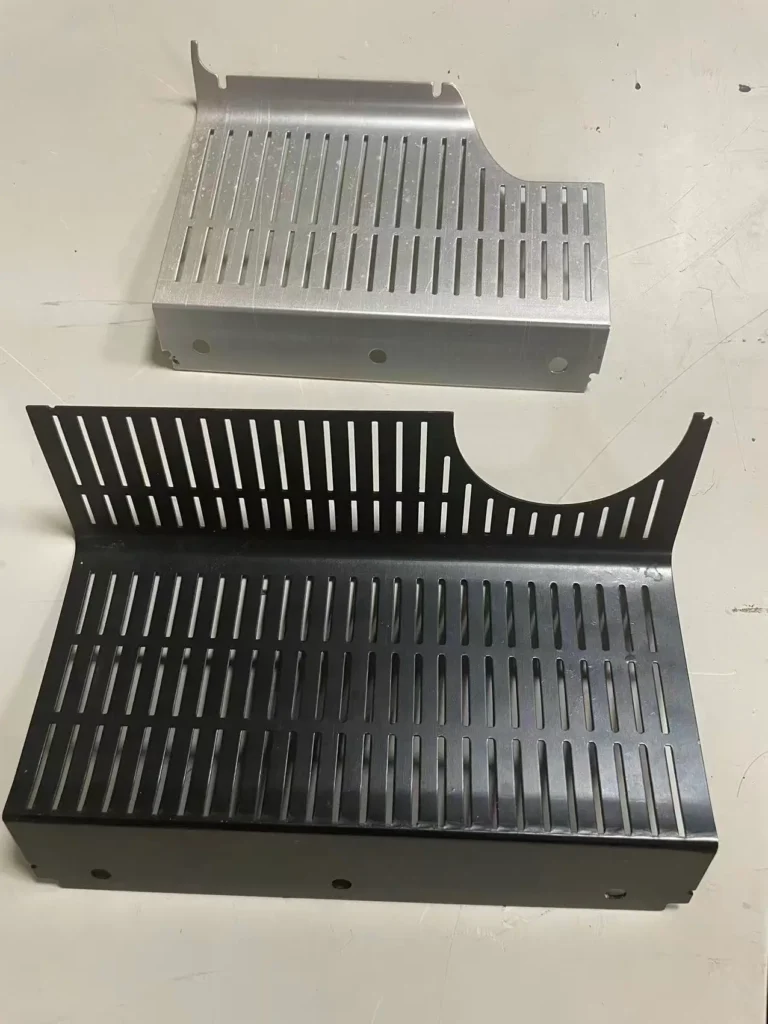
Ask this directly: “Can you verify material grade against the mill test certificate?” A manufacturer who checks incoming material against MTCs — rather than trusting the label on the coil — is protecting you from a substituted-grade problem before it becomes a finished part.
Look for Experience With Similar Parts and Industries
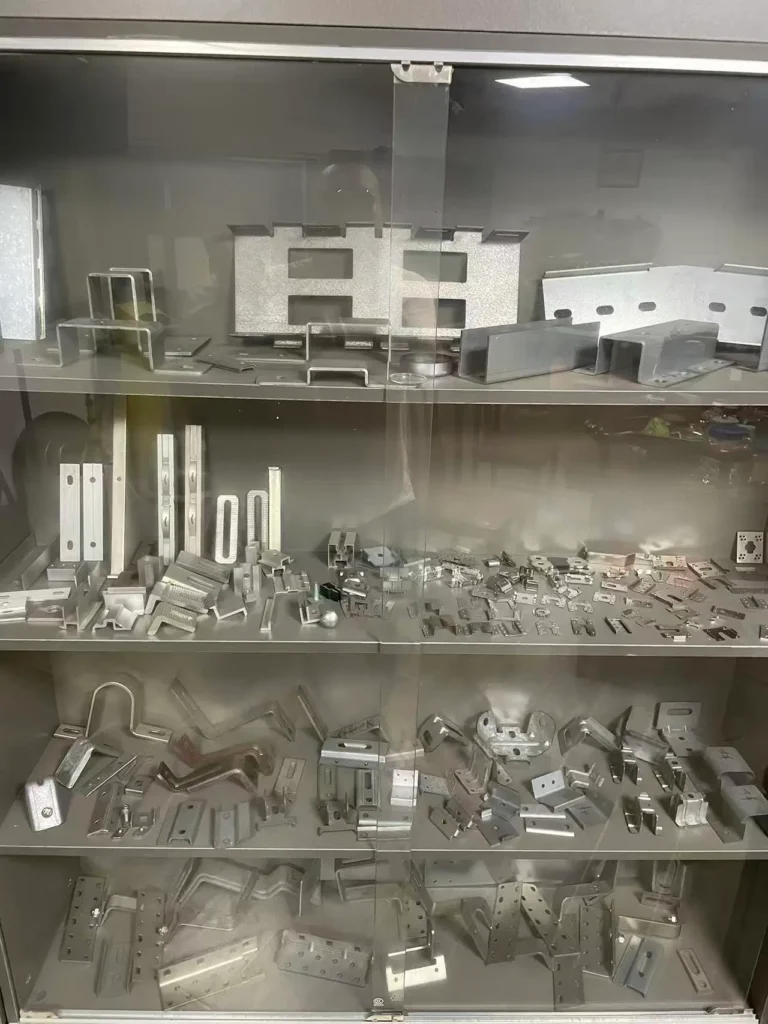
Ask to see examples of parts similar in size, material, or complexity to yours — solar mounting brackets, battery covers, electrical enclosures, automotive brackets, industrial hardware, and similar stamped components. Browsing a manufacturer’s case studies is a faster way to check this than a generic capability page. A manufacturer who has produced comparable parts will ask better questions during quoting and catch design issues earlier, before tooling is committed.
Does the Manufacturer Have In-House Tooling and Die Design?
This is the single most important capability question in metal stamping, and it’s easy to overlook because it doesn’t show up on a part drawing.
A stamping die is not just a production tool — it directly determines:
1.Part consistency across the full production run, not just the first sample
2.Production efficiency, since a well-designed die reduces cycle time and scrap
3.Long-term unit cost, because tooling quality affects how often the die needs rework
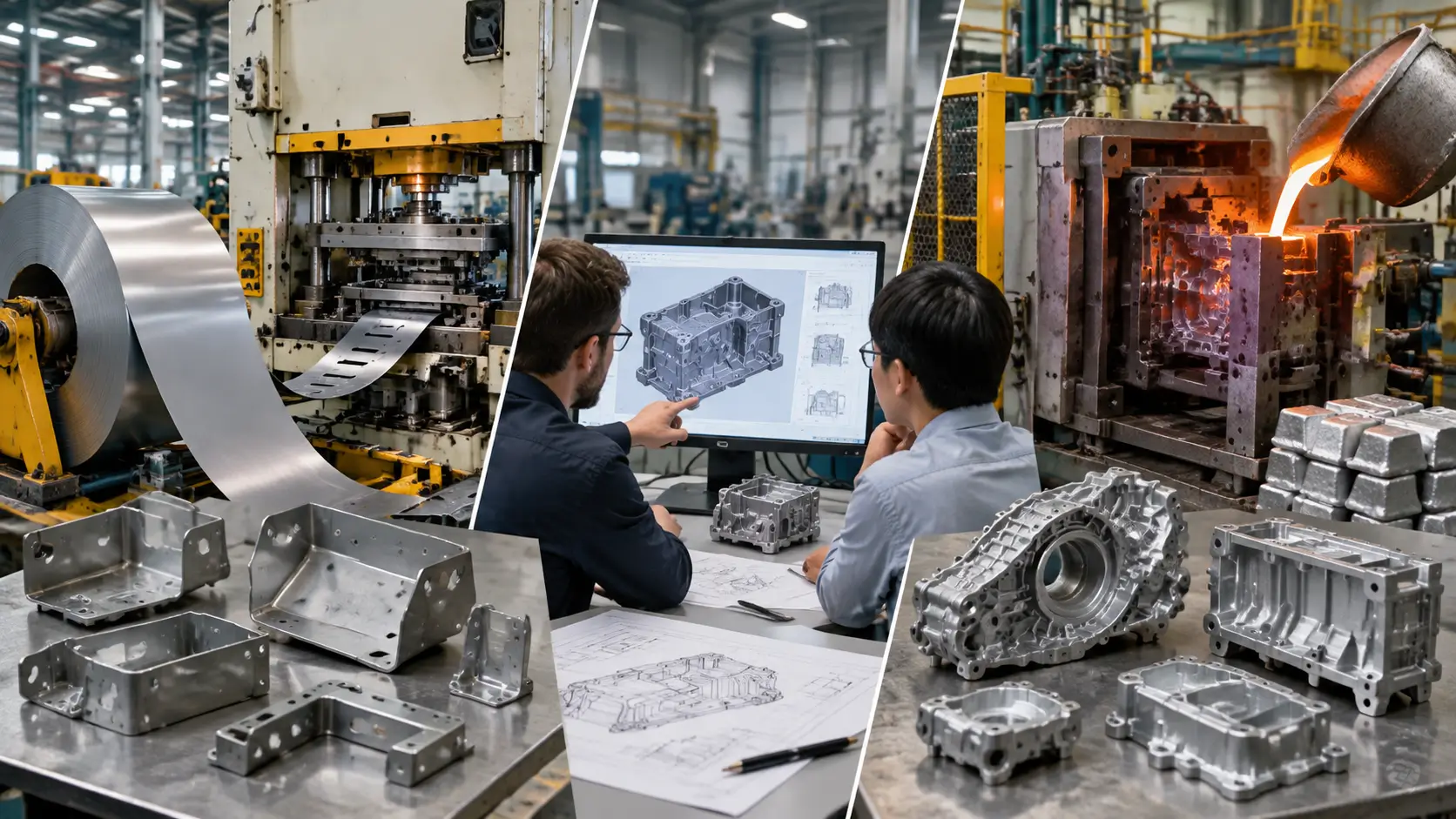
Manufacturers who design and build tooling in-house control the entire development process under one roof. When a die needs a mid-run adjustment, an in-house team can respond in hours, not weeks — because they don’t have to coordinate with a separate outsourced toolmaker. If a supplier outsources die design, ask who owns the die files and who is responsible when it needs modification.
Understand the Tooling and Die Development Process
A transparent manufacturer should be able to walk you through their die development process step by step:
Step 1 — Drawing Review The factory reviews your drawing for material thickness, forming direction, and tolerance requirements, and flags anything that needs clarification before quoting.
Step 2 — Die Design Engineers design the die structure — deciding between a simple die and a progressive die based on part complexity and volume.
Step 3 — Tool Manufacturing The die is built and assembled in-house.
Step 4 — Trial Stamping The new die runs a trial batch to check forming accuracy, dimensions, and part consistency.
Step 5 — Sample Approval Trial parts are sent for your review and sign-off before mass production begins.
Step 6 — Mass Production Once samples are approved, the die moves into full production runs.
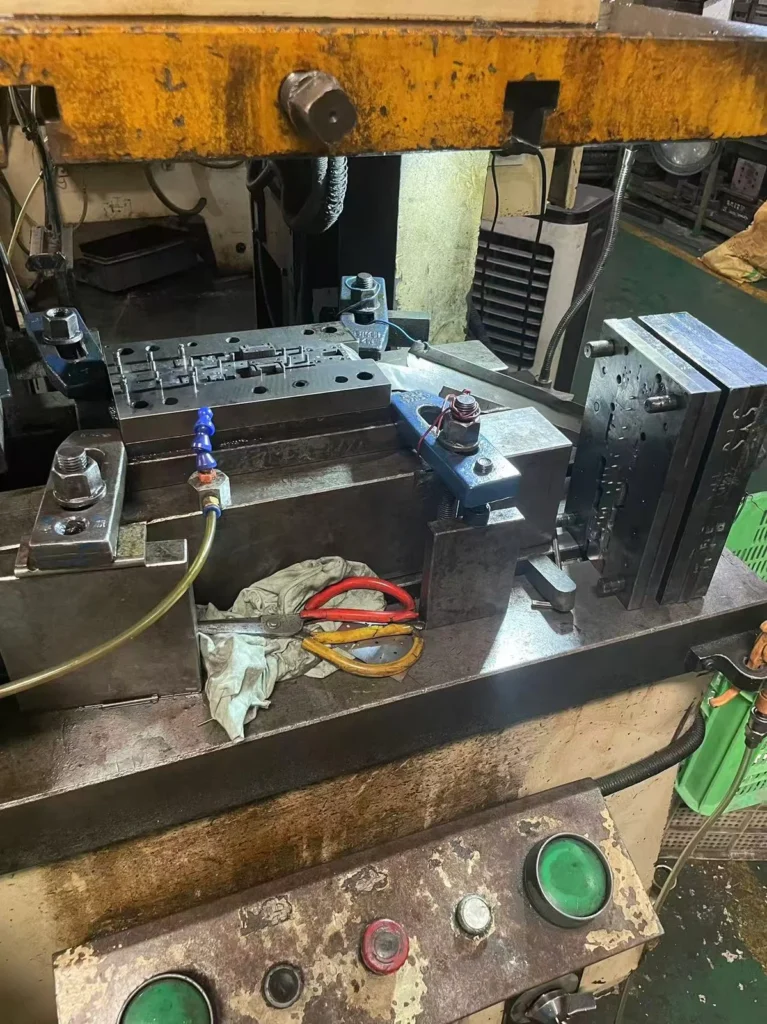
From the factory floor — tooling timeline example: For a recent custom project involving two parts that both required new stamping dies, tooling development took roughly 35–40 days after drawings and production requirements were confirmed, before moving into sample production. A simpler single-station die is typically faster — around 15–25 days — while an order covering several new dies at once can extend to around 50 days, since design and build work is sequenced across the tool room.
Ask About Tooling Ownership, Storage, and Maintenance
Before you commit to a tooling investment, get clear answers on three practical questions that most quotations don’t mention:
Who pays for the die, and when? For a formal production die, the manufacturer typically requires full payment for the tooling before die production starts. Sample fees for parts made without a dedicated die (using processes like wire cutting, CNC, or press brake forming) are usually calculated against the minimum order quantity price, multiplied by a fixed factor — shipping is the customer’s responsibility.
What does a “free sample” actually mean? Once a formal die is built, small first-article samples (often around 10 pieces, depending on part size) are commonly provided free of charge — but the customer still covers shipping. For a full breakdown of how sample costs are calculated when no die exists yet, see our sample fee guide.
Who maintains the die, and for how long is it stored? Ask directly: if the die needs maintenance during a production run due to wear or a fault, is that the factory’s responsibility or an added cost to you? A manufacturer who maintains dies at no extra charge during the life of your order is taking on the tooling risk instead of passing it to you order by order. Also ask how long they store tooling between orders — three years of free storage is a reasonable industry benchmark, after which unused tooling may be scrapped if there’s been no repeat order. Our tooling storage and liability guide covers this in more detail.
Getting these answers in writing before tooling starts avoids a surprising invoice later.
Review the Manufacturer’s Quality Control Process
Rather than relying on a certification logo, ask what actually happens to a part between raw material and shipment. A manufacturer without a formal QMS certification can still run a disciplined, three-stage inspection process — and honestly describing that process is often more useful than a generic “we follow strict quality standards” statement. See our tolerances and quality standards guide for how tolerance requirements are typically specified and checked.
Incoming Material Inspection
Before a coil or sheet goes into production, it should be checked against the mill test certificate for grade, thickness, and coating weight. This step catches substituted or mislabeled material before it becomes a finished part — a real risk, especially with stainless steel grade substitution (e.g., 201 sold as 304).
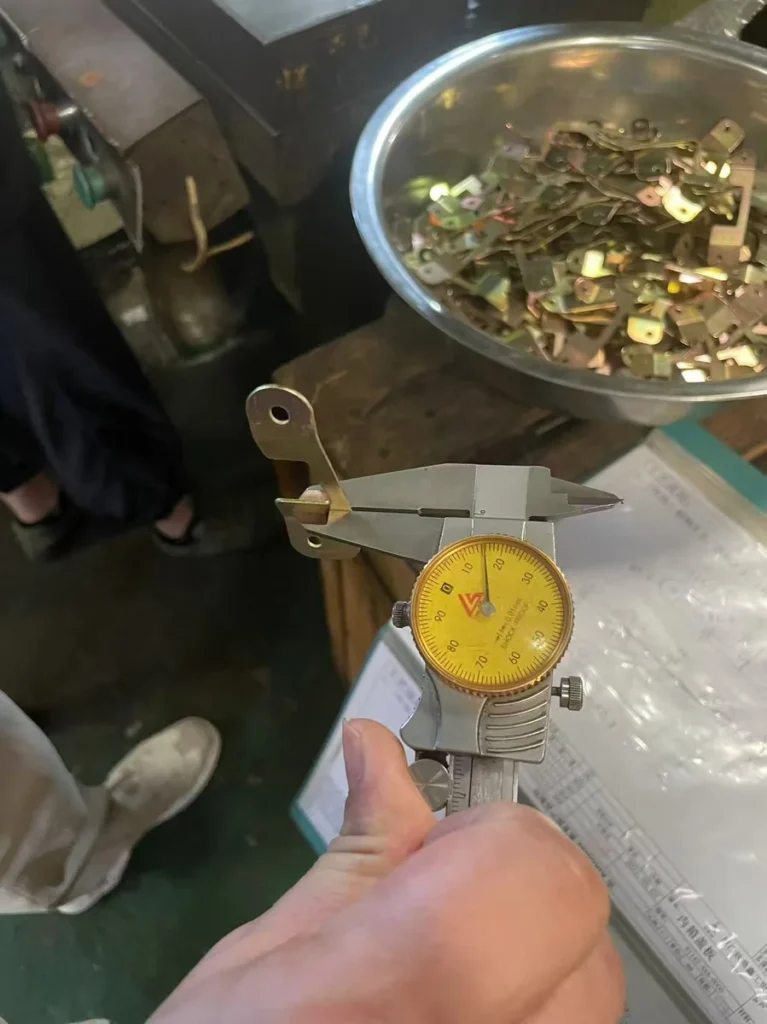
Dimensional Inspection and First Article Inspection
Once a new die produces its first parts, a first article inspection (FAI) should confirm dimensions and tolerances against the drawing using calipers or other measuring tools, before mass production begins. Ask whether this happens on every new die and every new batch, or only on request.
Final Inspection Before Shipment
Before parts ship, quantity, packaging, and appearance should be checked against the order. Ask whether the factory does a final sample confirmation with photos before shipment, especially on your first order with them — this is a simple, low-cost step that catches packaging or labeling mistakes before they reach your dock.
Compare Lead Time and the Production Process Timeline
Lead time in stamping isn’t one number — it’s a sequence, and tooling is usually the longest stage. Here’s a realistic breakdown:
| Stage | Estimated Time |
|---|---|
| Drawing review and quotation | 1–3 days |
| Tooling — single-station die | 15–25 days |
| Tooling — progressive die | 35–40 days |
| Tooling — multiple new dies in one order | Up to ~50 days |
| Sample production and approval | After tooling completion |
| Mass production | Depends on order quantity and press capacity |
For the complete manufacturing sequence from drawing review through tooling, trial production, sample approval, and mass production, see our metal stamping process guide.
Ask each supplier for a timeline broken down this way, rather than a single “4–6 weeks” estimate. It’s much easier to compare suppliers apples-to-apples, and it exposes anyone quoting an unrealistically short tooling time.
Understand Metal Stamping Cost Factors Before Requesting a Quote
A stamping quotation is built from several cost layers, not a single number:
| Cost Factor | Impact on Price |
|---|---|
| Material | Grade, thickness, and coating directly affect raw material cost |
| Tooling | One-time investment; amortized cost per part drops as volume increases |
| Quantity | Higher volume typically lowers unit price |
| Complexity | Multiple forming steps, tight tolerances, or deep draw increase cost |
| Surface treatment | Zinc plating, powder coating, or passivation add per-part cost |
| Packaging & Freight | Export packaging and shipping terms (FOB/EXW) affect landed cost |
When comparing quotes, ask each supplier to break the price down by these categories. A supplier quoting a single flat number without breakdown makes it hard to know whether you’re comparing tooling-inclusive pricing against tooling-excluded pricing — a common source of “why is this quote so much lower” confusion.
Questions to Ask Before Choosing a Metal Stamping Manufacturer
Bring this list into your supplier calls. The “why it matters” column is there so you know what a weak answer actually costs you. For a more detailed walkthrough of each question, see our companion guide: 7 Questions to Ask Before Choosing a Metal Stamping Manufacturer in China.
| Question | Why It Matters |
|---|---|
| Can you manufacture directly from our drawing or 3D model? | Confirms engineering ability, not just production |
| Do you design and build your own tooling in-house? | Controls quality, lead time, and long-term cost |
| What is your typical tooling and sample lead time? | Needed for realistic project planning |
| How do you inspect incoming material and finished parts? | Reveals whether quality is built into the process or checked only at the end |
| Can you provide first-article samples before mass production? | Confirms there’s a formal approval step before you commit to volume |
| Who is responsible for die maintenance during production? | Determines whether tooling risk sits with you or the factory |
| What is your minimum order quantity? | Affects whether the project is economically viable at your volume |
Why Work With a China Metal Stamping Manufacturer
Rather than framing this as “China is cheaper,” the honest comparison is about capability and flexibility:
1.OEM experience — factories that regularly work from customer drawings and specs (rather than only their own catalog products) are used to engineering back-and-forth
2.Flexible production — smaller factories with in-house tooling can often accommodate mid-volume runs that don’t fit a large Tier 1 supplier’s minimum order size
3.Export support — experience handling FOB/EXW terms, export packaging, and international freight coordination Direct communication with the factory, rather than
4.Direct communication with the factory, rather than through a trading company layer, which shortens the time between “we found an issue” and “here’s the fix”
The trade-off to manage is distance and time zones — which is exactly why the earlier sections on tooling transparency, inspection process, and lead-time breakdown matter more, not less, when your supplier is overseas.
Working With Metal Stamp Factory
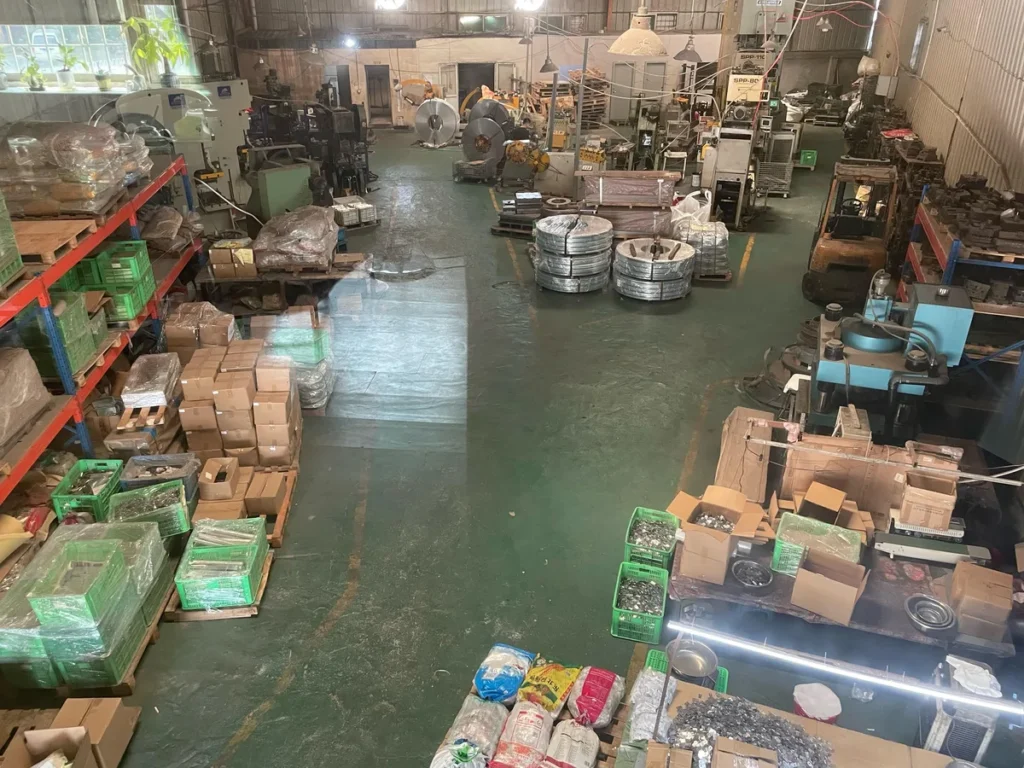
Metal Stamp Factory was established in 2014 in Xiamen, China, focusing on custom metal stamping and precision hardware manufacturing.
The founder of Metal Stamp Factory, Shengtong Chen, started learning mold making and metal stamping at the age of 17 and has accumulated more than 25 years of hands-on manufacturing experience in tooling development and OEM production.
Our production workflow follows the same metal stamping services process outlined in this guide:
1.Drawing review and material confirmation
2.In-house tooling design and die development
3.Sample production and customer approval
4.Mass production on presses from 16 to 400 tons
5.First article inspection and dimensional verification before every batch
6.Final inspection before shipment
We process carbon steel, galvanized steel (SGCC+Z), ZAM-coated steel, stainless steel (SUS304/SUS316), aluminum, copper, and brass, primarily for solar mounting systems, automotive and motorcycle components, lithium battery components, electrical hardware, and industrial hardware applications. For processes outside our core stamping capability — CNC machining, laser cutting, welding, powder coating, electroplating, or heat treatment — we coordinate through trusted partner facilities, so customers still get a finished, ready-to-assemble part from a single point of contact. You can see more of our setup on our factory page.
If you’d like a quote reviewed against the checklist above, you can request a free quote with your drawing and target quantity.
Frequently Asked Questions
1.How do I choose a reliable metal stamping manufacturer? Evaluate production equipment against your part size, confirm whether tooling is designed in-house, ask for a specific breakdown of their quality inspection process, and get a realistic lead-time schedule broken into drawing review, tooling, sample, and mass production stages — not a single estimate.
2.What information is needed for a metal stamping quote? A 2D drawing or 3D model with dimensions and tolerances, material grade and thickness, surface finish or coating requirement, and your expected order quantity and annual volume.
3.How long does metal stamping tooling take? A single-station die typically takes 15–25 days. A progressive die usually takes 35–40 days. Orders requiring multiple new dies at once can take up to around 50 days, depending on complexity and how work is sequenced in the tool room.
4.What is the MOQ for custom metal stamping? MOQ depends on part size and complexity. Smaller parts generally have lower minimums; larger or more complex parts may need higher volumes to justify tooling investment. Ask each supplier directly, since this varies by manufacturer.
5.Can a manufacturer provide samples before mass production? Yes — once a formal production die is built, first-article samples (often around 10 pieces for smaller parts) are commonly provided free of charge, with the customer covering shipping. If no die is being built yet, sample parts made through processes like CNC or wire cutting are typically charged based on a multiple of the minimum-order unit price.
6.Who owns the stamping die after it’s built? This should be confirmed in writing before tooling starts. In most arrangements, the customer who pays for the tooling owns the die, and the manufacturer stores it for future repeat orders — commonly for up to three years — at no extra charge, unless otherwise agreed.
7.What happens if the stamping die is damaged or needs maintenance during production? Ask this before signing off on tooling. A manufacturer who maintains and repairs the die at their own cost during the life of your order is taking on the tooling risk; one who bills you for every adjustment is passing that risk back to you.
8.Can a metal stamping manufacturer handle secondary processes like plating or welding? Many stamping-focused factories don’t run every secondary process in-house. Ask specifically whether processes like CNC machining, welding, powder coating, or electroplating are done internally or coordinated through partner facilities — both are workable, as long as the factory manages quality and timeline for the whole finished part.
Get a Free Quote for Your Metal Stamping Project
If you have a drawing ready, our team will review material, tooling requirements, and realistic lead time before you commit to a supplier.
Send your drawing, material requirement, and estimated quantity. Our engineering team will review the project and provide feedback on tooling requirements and production feasibility.