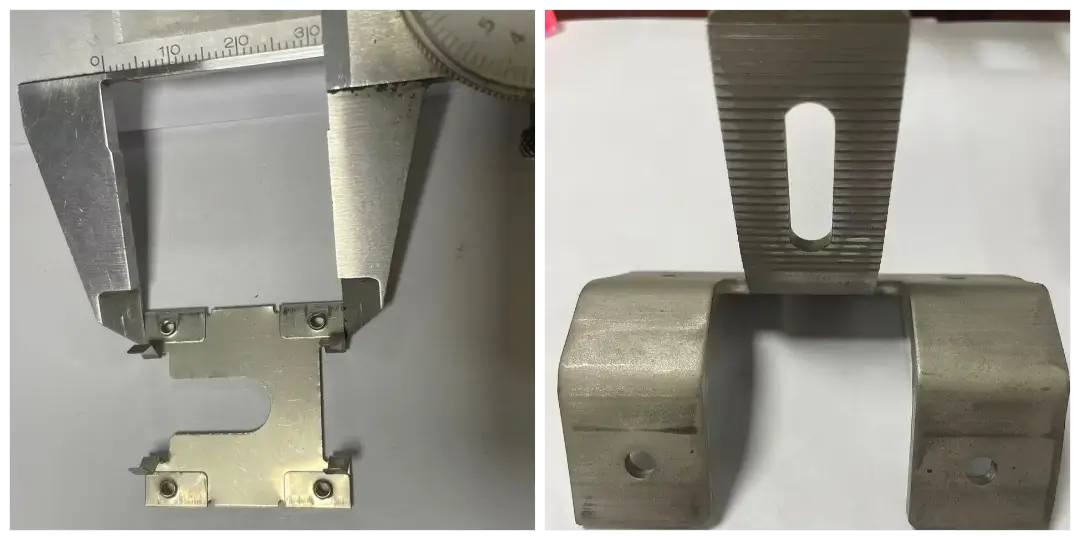
Choosing the right metal stamping materials for solar brackets isn’t just about picking a thickness. If you’re sourcing stamped solar mounting brackets from China, you’ve probably come across two different coating names on spec sheets: standard hot-dip galvanized steel, and zinc-aluminum-magnesium (often shortened to ZAM or AZM). Domestic Chinese solar installers default to zinc-aluminum-magnesium without a second thought — but export buyers often aren’t told there’s a choice at all, or why it matters for their specific project.
This isn’t a “which one is better” article. Both are legitimate, widely used coatings. The real question is which one is right for your climate, your budget, and your application — and that’s a conversation that should happen before you place an order, not after the brackets arrive.
Hot-Dip Galvanized Steel: What “Z80” and “Z120” Actually Mean
Hot-dip galvanized steel is dipped in molten zinc, which solidifies into a protective coating on the surface. Two numbers matter most on a spec sheet:
Coating weight — written as Z80, Z120, and so on, meaning grams of zinc per square meter. This number, not the surface pattern, is what actually determines corrosion resistance. A thicker zinc coating lasts longer in the field, full stop.
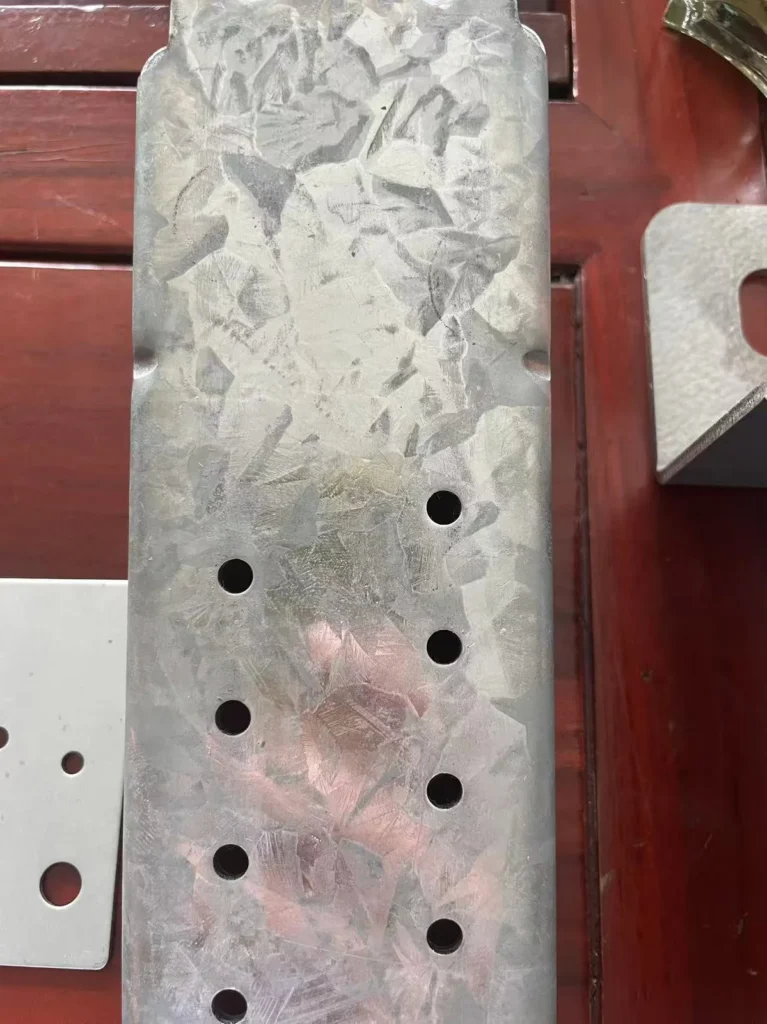
Spangle pattern — the visible crystalline texture on the surface, which comes in “zero spangle” (smooth, minimal pattern) and “regular spangle” (large, visible crystal flowers). We photographed both side by side:
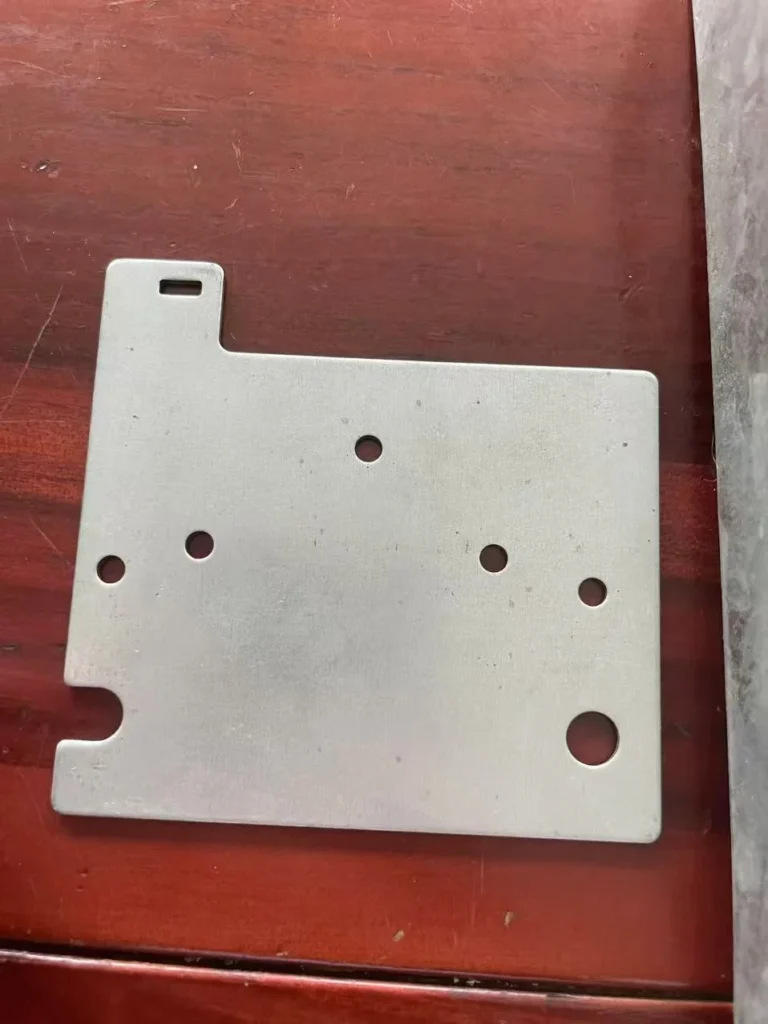
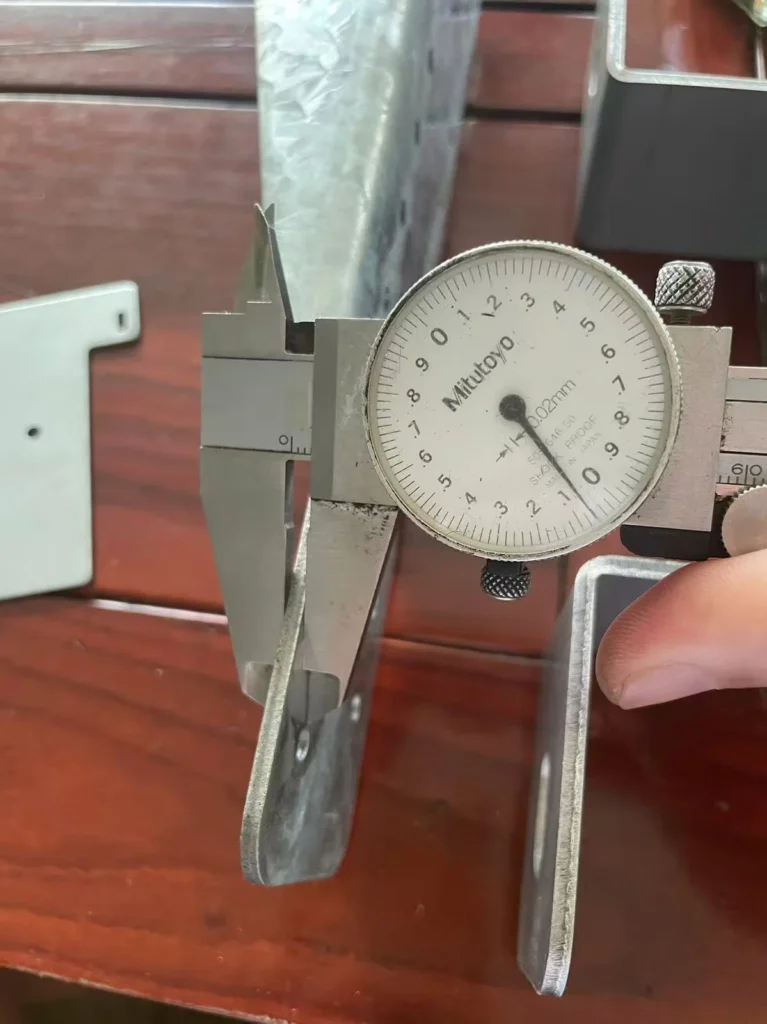
Here’s the detail that trips people up: spangle pattern is a cosmetic and processing characteristic, not a corrosion indicator. Zero spangle is generally chosen when the part will be painted or powder-coated afterward, because the smoother surface holds paint better. Regular spangle is common on parts that stay exposed, uncoated, and visible — it doesn’t inherently protect better or worse than zero spangle at the same coating weight. Don’t let a bigger, shinier crystal pattern convince you a part is better protected — check the g/m² number instead.
Zinc-Aluminum-Magnesium: What It Actually Improves
Zinc-aluminum-magnesium coating adds aluminum and a small amount of magnesium to the zinc bath — commonly used for domestic Chinese solar racking at grades like S350GD with coating weights around 275g/m². Two real advantages over standard galvanizing:
Better corrosion resistance per micron of coating — the aluminum and magnesium content extends service life significantly compared to pure zinc at an equivalent coating weight.
Self-healing at scratches and cut edges — this is a genuinely documented property, not marketing language. When the coating is scratched or a panel is cut, the surrounding zinc-aluminum-magnesium migrates to cover the exposed steel, slowing corrosion at the damage point in a way plain zinc does not do as effectively.
Real Samples, Side by Side
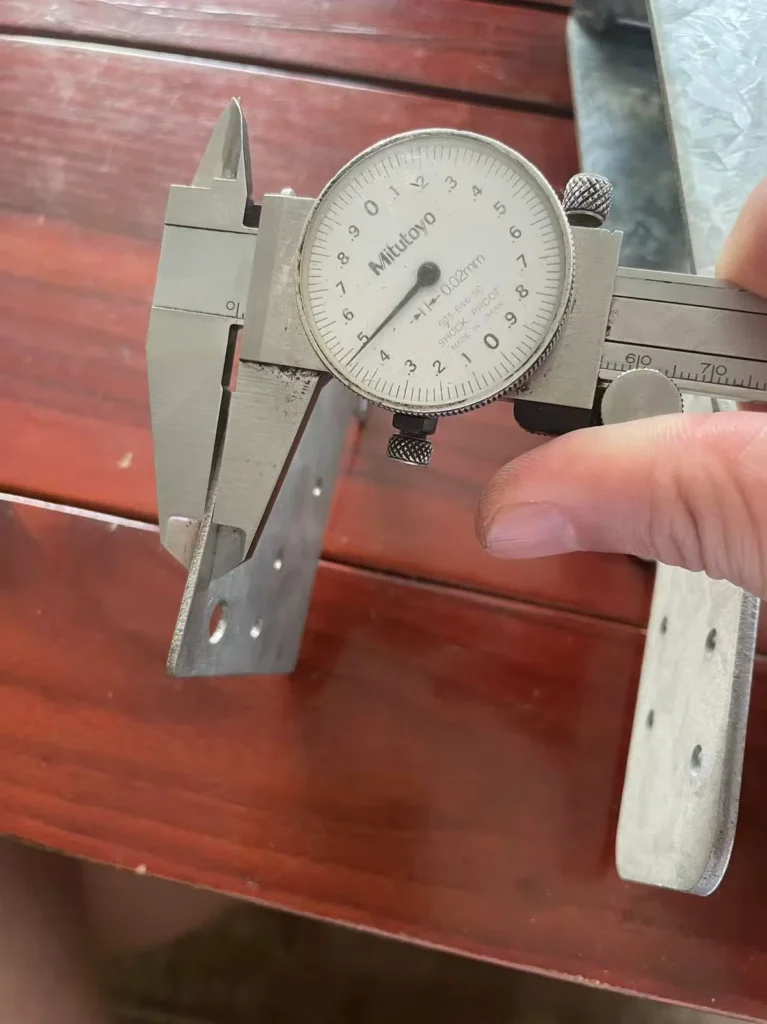
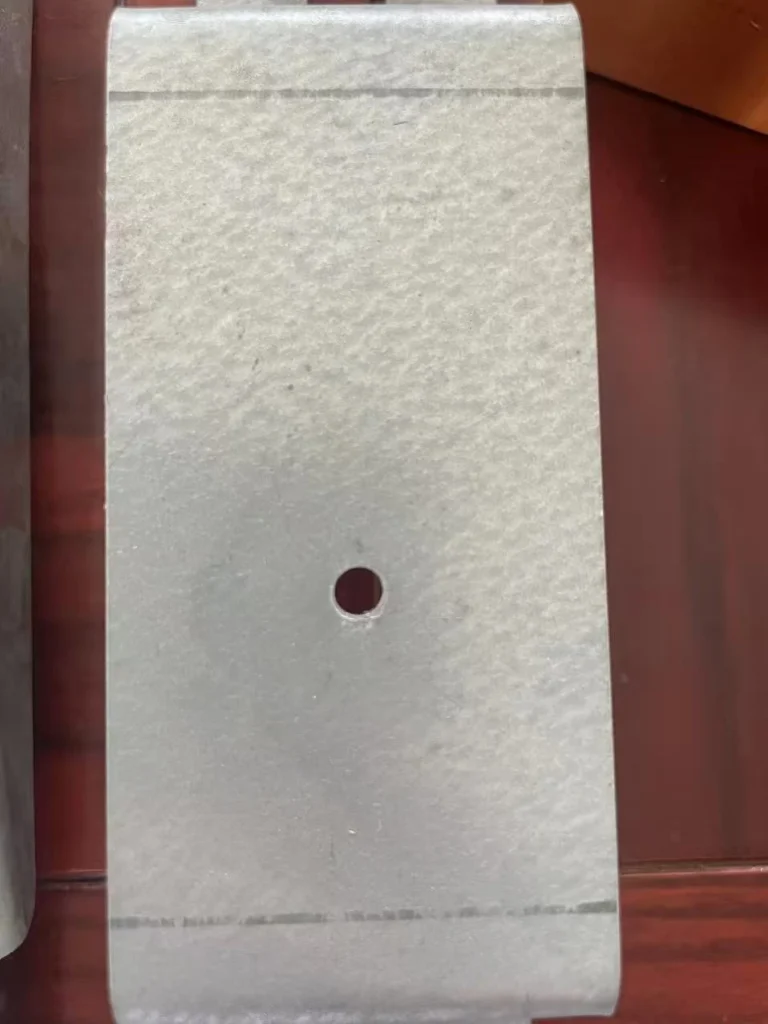
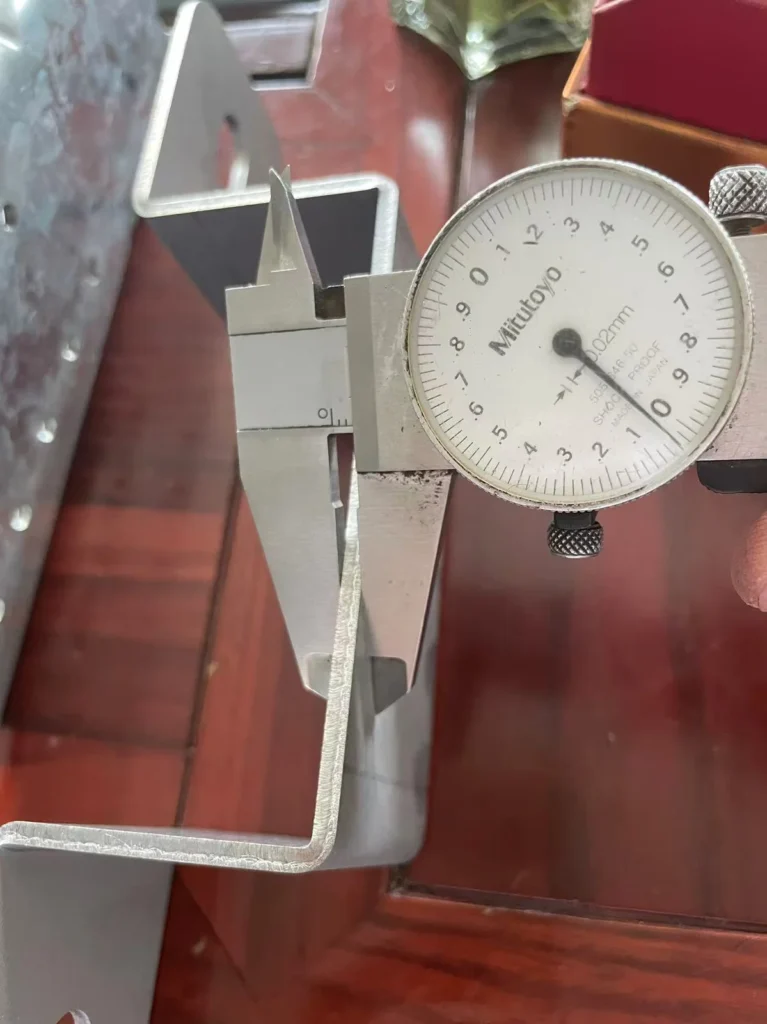
We measured three brackets from our own production for this comparison — not spec sheet numbers, actual parts on our workbench:
| Sample | Coating Weight | Thickness | Surface |
|---|---|---|---|
| Hot-Dip Galvanized — Zero Spangle | 80g/m² (Z80) | 1.5mm | Smooth, minimal crystal pattern — good for painting |
| Hot-Dip Galvanized — Regular Spangle | 120g/m² (Z120) | 3.0mm | Visible large crystal flowers — common exposed/unpainted |
| Zinc-Aluminum-Magnesium | 275g/m² | 3.0mm | Fine, dense crystalline texture; self-healing at scratches/cuts |
Samples measured directly at our factory with a dial caliper — not spec-sheet figures.
One Honest Caveat Before You Switch Everything to ZAM
Zinc-aluminum-magnesium coatings have a strong compositional case for outperforming standard galvanizing — but the material has only been in widespread commercial use for roughly the past decade. Standard hot-dip galvanized steel has a multi-decade field track record in outdoor structural applications; ZAM’s long-term performance data, while promising, is comparatively newer. If your project genuinely needs a multi-decade, field-proven track record with no surprises — a utility-scale installation with a long warranty commitment, for example — that’s a reasonable argument for sticking with well-understood hot-dip galvanizing at an adequate coating weight, rather than assuming newer automatically means better.
Which Standard Applies to Your Material
Get this right before it ends up on a customer-facing document: standard zinc-coated (Z) hot-dip galvanized steel corresponds to ASTM A653/A653M internationally, with GB/T 2518 as the domestic Chinese equivalent. Zinc-aluminum-magnesium and aluminum-zinc alloy coatings are a different material grade family entirely and correspond instead to ASTM A792 — using A653 for an aluminum-zinc coated product is a mismatch that a careful buyer’s QC team may flag.
How We Help You Choose Before You Order
We quote both coating options for solar bracket orders, with the full material specification — grade, coating weight, and applicable standard — written out on the quotation, not just “galvanized steel” left for you to guess at. If you tell us your installation environment (coastal, industrial, standard inland) and your project’s expected service life, we’ll tell you honestly which coating makes sense, rather than defaulting you to whichever one is cheaper for us to source that week.