Metal stamping sample fees confuse a lot of buyers, and it’s not because suppliers are being inconsistent — ask five different stamping suppliers whether samples are free, and the real answer almost always comes down to one specific thing: whether production tooling has already been paid for.
Before Tooling: Samples Almost Always Cost Something
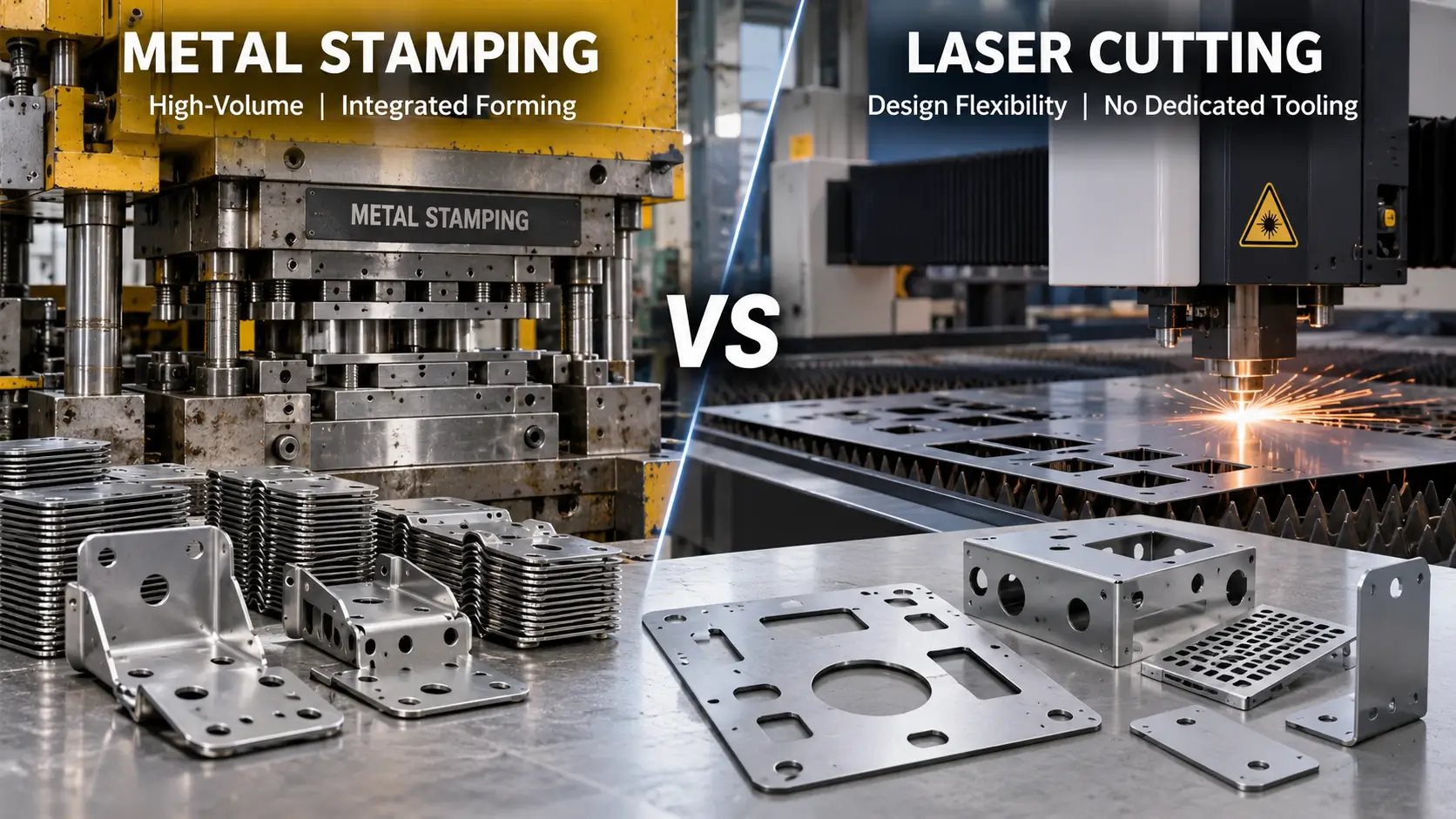
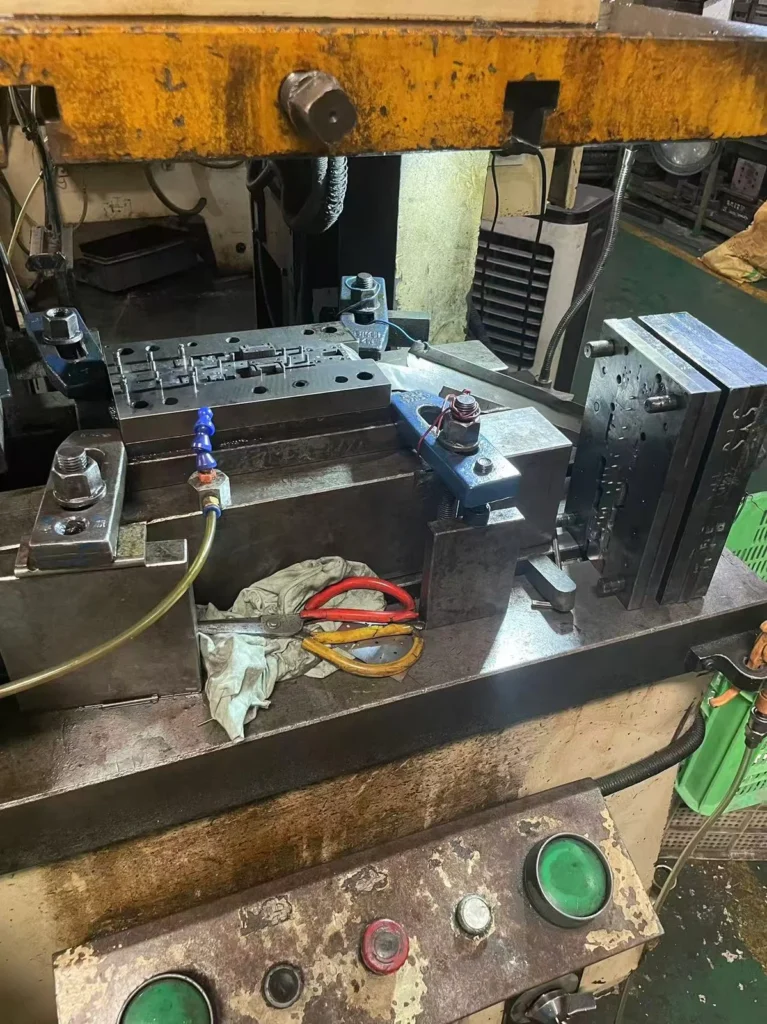
If you haven’t committed to production tooling yet, samples aren’t produced on a stamping die — they’re typically made through wire cutting (EDM) combined with CNC press-brake bending. Both processes carry real machining cost regardless of order size, which is why a sample fee applies at this stage. It’s not a markup; it’s the actual cost of cutting and forming your part without a die.
Worth knowing upfront: parts made this way can show minor differences from final die-stamped parts, mainly along the cut edge — a wire-cut edge and a die-stamped edge are formed through genuinely different mechanics, so the surface finish along that edge won’t be identical, even though other features are visually very close.
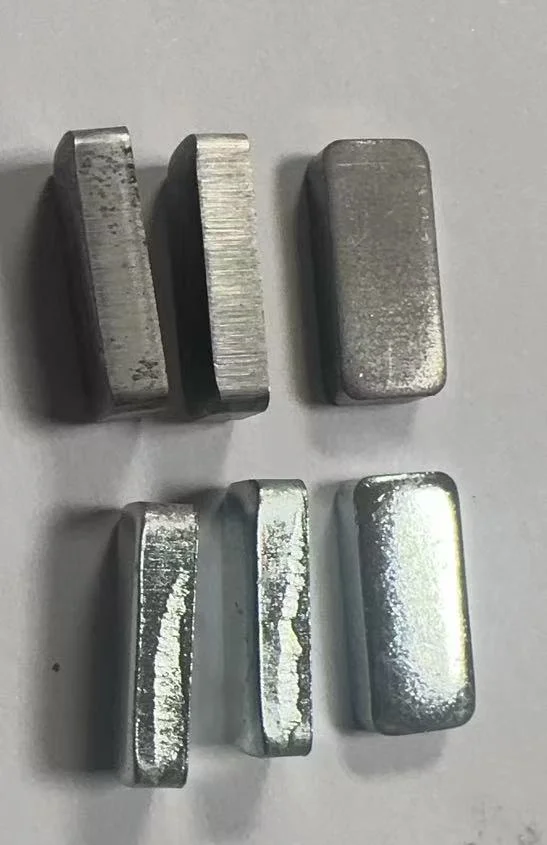
(We’ve written separately about why stamping burrs form and how the cutting process shapes an edge — the same underlying physics applies here.)
After Tooling: Samples Are Often Free — Here’s Why
Once production tooling is built and paid for, the economics change completely. Parts coming off a finished die often cost just a few cents to a few dollars each to produce — so giving a customer a handful of real, die-stamped samples for approval before the full production run costs us very little. We took this approach on our XB1 motorcycle bracket program, for example, once tooling was confirmed.
For smaller parts, we’ll typically send a few pieces free. For larger or more expensive parts, whether we send 1-2 free samples depends on the part’s per-piece value and, frankly, on the size of the order behind it.
A Real Example: How This Played Out for a Recent Order
We recently quoted a German customer on part A00001 — a cold-heading part with two material options: A3 carbon steel at USD 1.111/pc with a USD 376 tooling set, and an alternate material at USD 1.964/pc sharing the same tooling. The order quantity was 250,000 pieces. Given the scale of that order, we offered 100 free samples across both material options — not because that’s our fixed policy for every order, but because an order that size justified it. A small trial order for the same part might not get the same number of free samples; it comes down to order value as much as part size.
When You’ll Need a Dedicated Sample Die
Not every part geometry can be produced through wire cutting and CNC bending alone. Features like deep drawing or reverse-punched (back-pierced) details require a dedicated sample die regardless of order size, typically running RMB 300-1,500 depending on complexity. If your part includes these features, expect this cost even for a small initial sample request.
Frequently Asked Questions
How many free samples will I get once tooling is confirmed?
It depends on the part’s value and your order size — smaller, low-cost parts often come with several free pieces, while larger or higher-value parts are judged case by case, generally in the range of 1-2 pieces upward for standard orders, and more for large confirmed volumes.
How long does it take to get samples after requesting them?
This depends on whether tooling exists yet. Pre-tooling samples made via wire cutting and CNC bending are typically faster to turn around than a full die-stamped first article, which follows our standard first article inspection (FAI) timeline after tooling approval.
Will my pre-tooling sample look exactly like the final production part?
Very close, but not identical — expect minor differences along the cut edge due to the different cutting process, always within the agreed tolerance range.
What to Ask Your Supplier Before You Assume
Don’t assume samples are free, and don’t assume they’ll cost you either — ask directly: is this sample coming from production tooling or not, and if not, what’s the sample fee based on? A supplier who can answer that clearly, rather than quoting a flat “sample fee” without explanation, is one who actually understands their own cost structure.