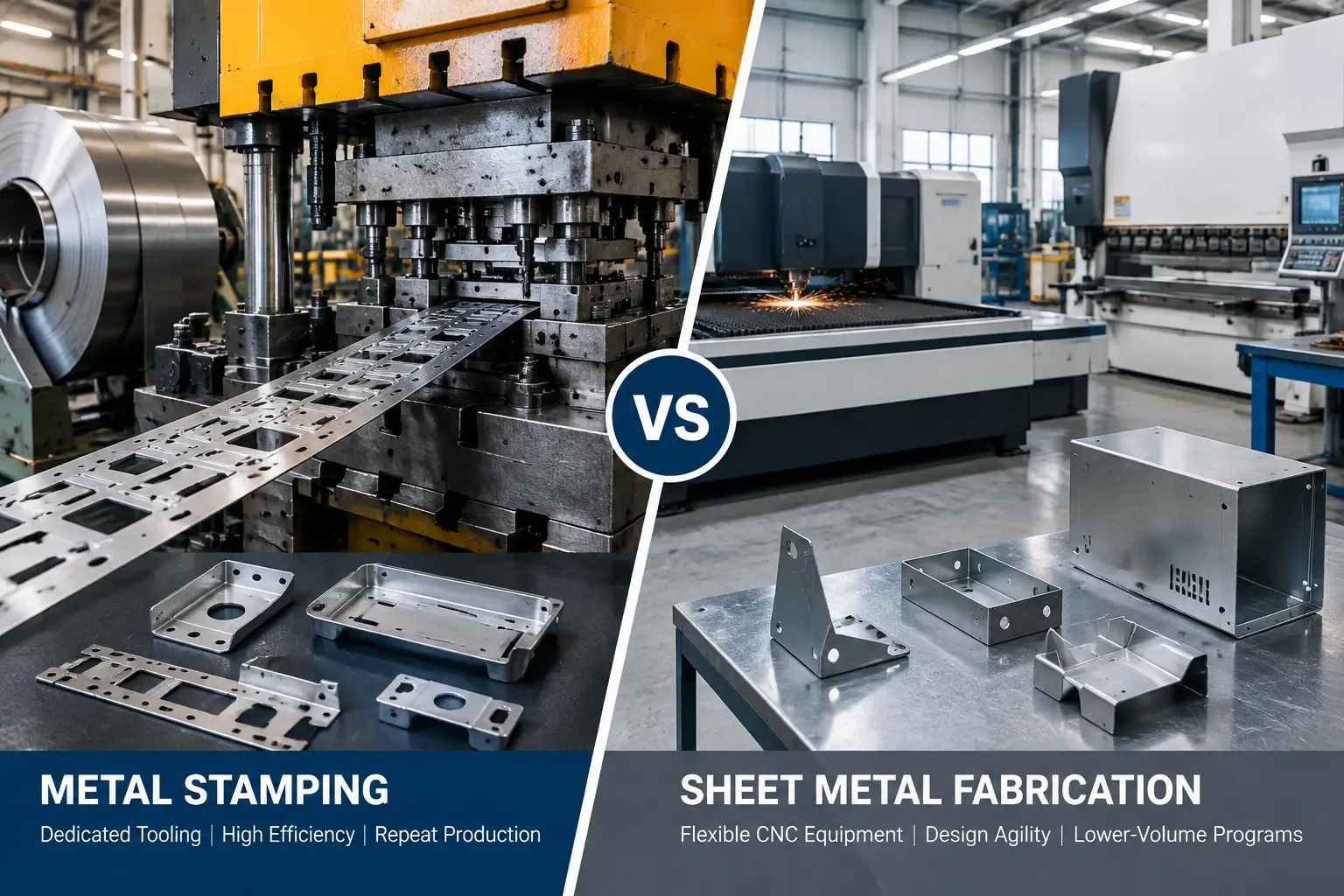
Opening tooling with a new supplier is a real commitment — you’re paying real money before a single part gets made. But most quotations never answer three questions that matter just as much as the tooling price itself: who pays if the die breaks during production, what happens if you need to change the part design mid-project, and what happens to the die if you never actually place a production order. This is where a lot of buyer-supplier disputes come from — not because anyone did anything wrong, but because nobody agreed on the answer upfront.
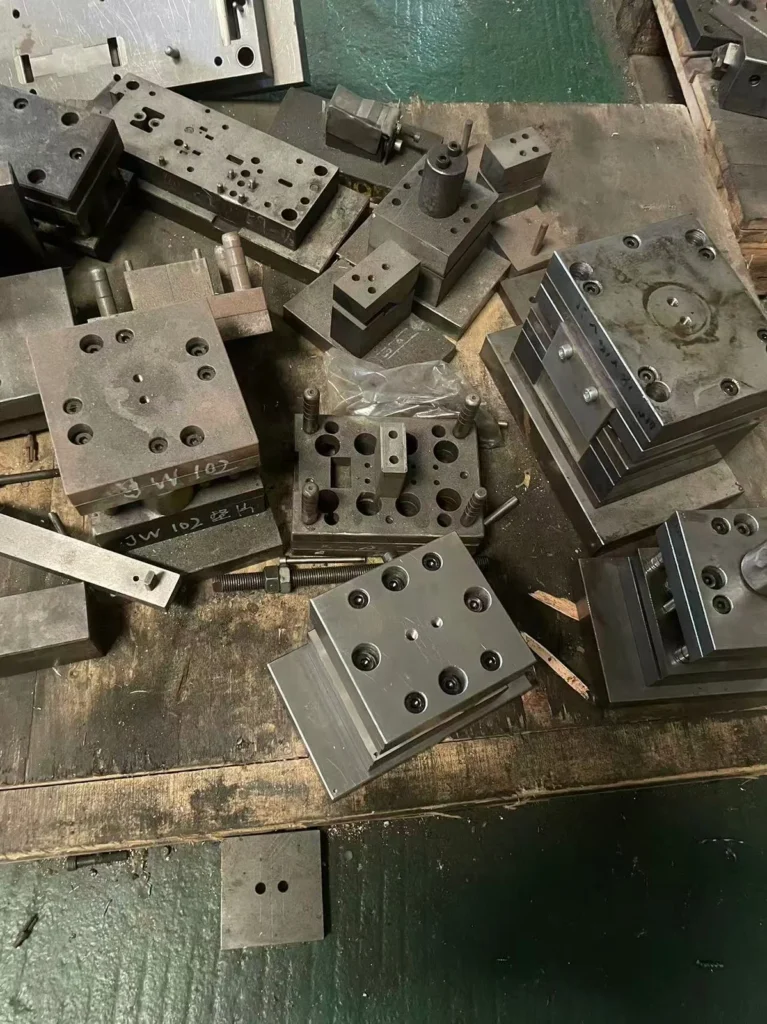
Who Pays If the Die Breaks During Normal Production?
Once tooling is complete and approved, and production begins, die damage that happens under normal operating conditions — cracking, chipping, ordinary wear failure — is on us, not you. That’s simply the cost of running a die; a supplier who tries to bill you every time a die needs repair during a run they already approved isn’t pricing tooling honestly in the first place.
The one real exception: if you request a dimension change to the part after tooling has already been built and approved, that’s a different situation entirely.
What Actually Happens When You Change a Part Dimension Mid-Project
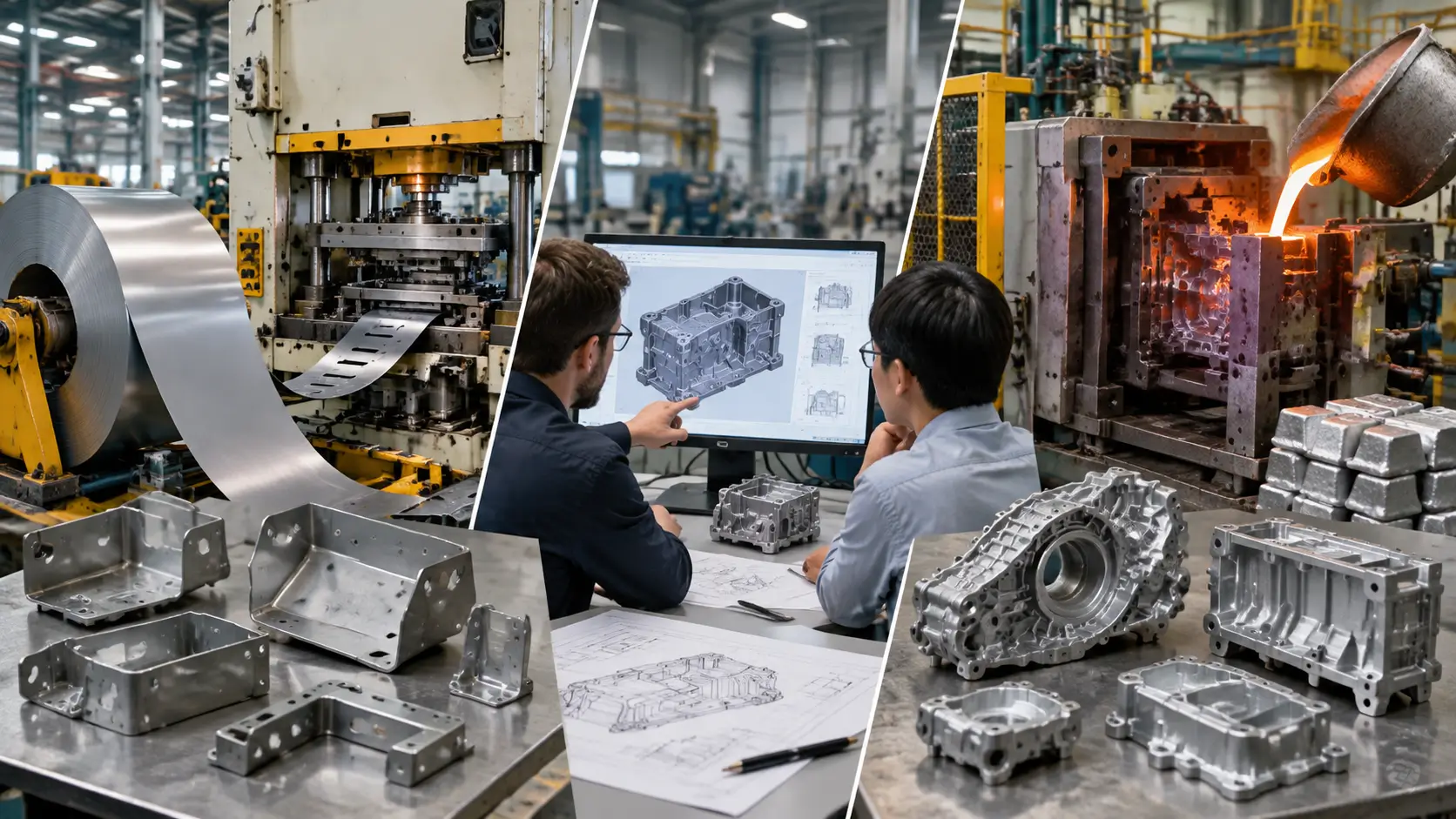
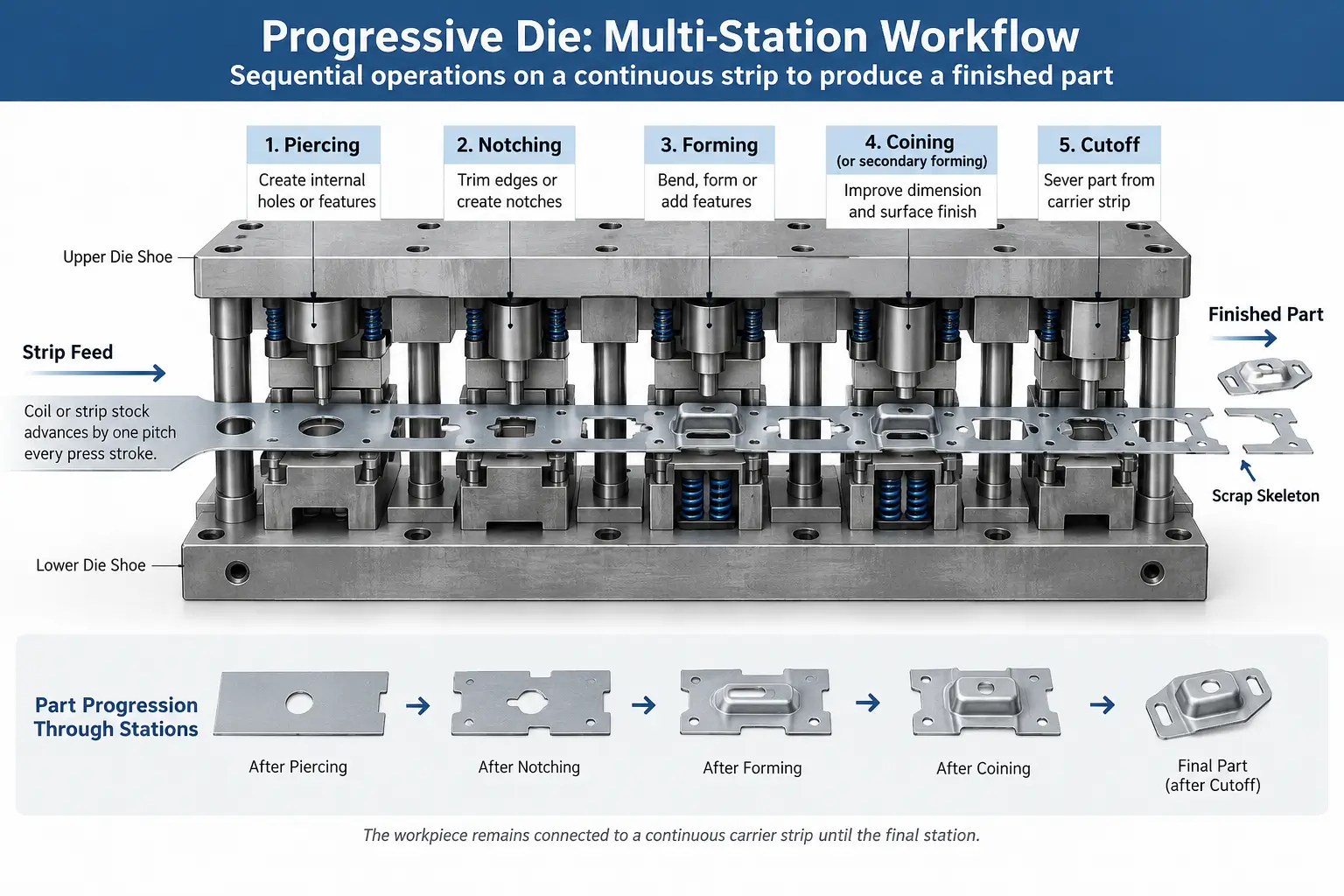
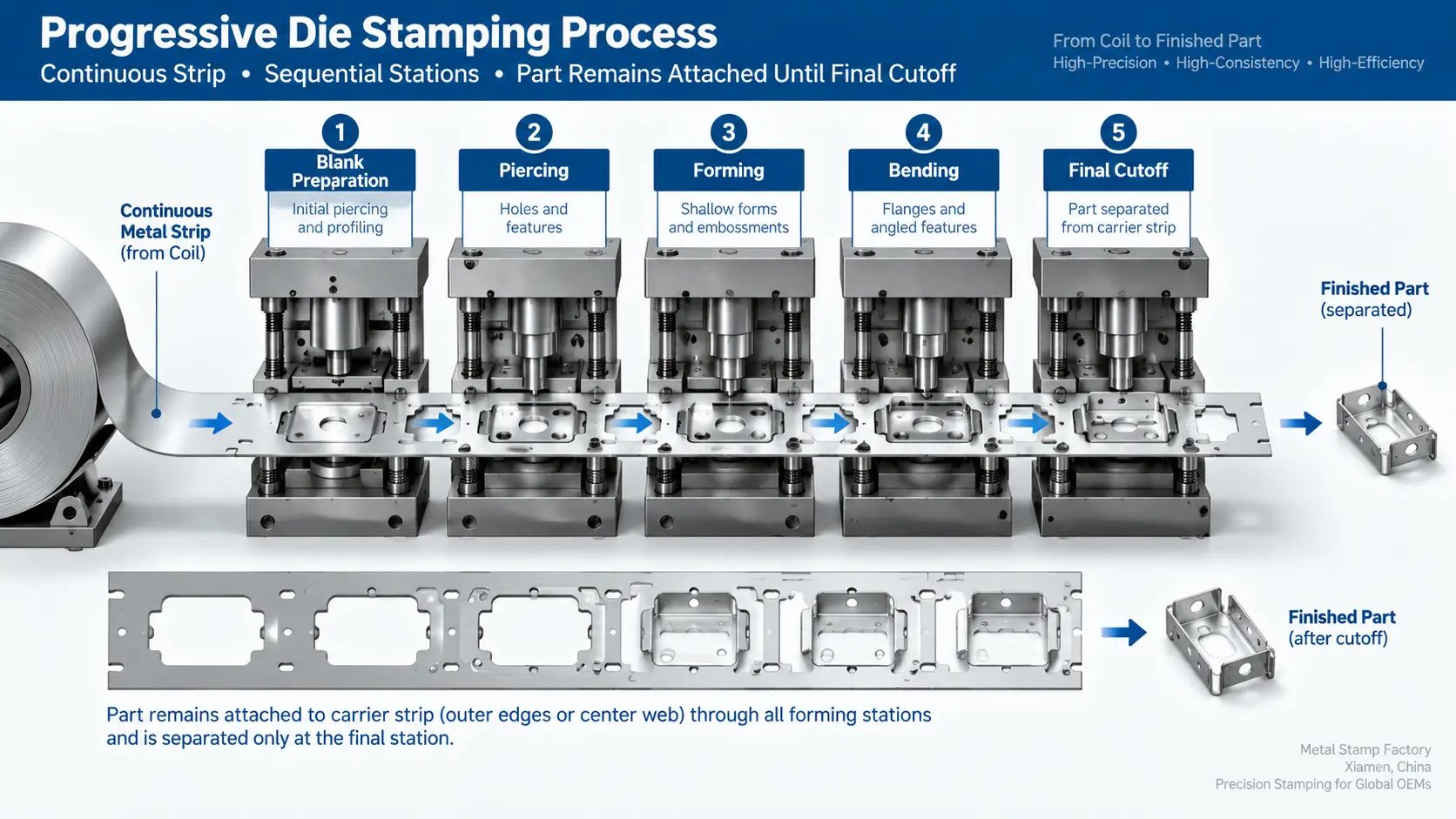
A stamping die isn’t a single block that gets tweaked with a few keystrokes — it’s a precision-machined tool built through drilling, CNC machining, wire cutting (EDM), and grinding, each step cut to the exact dimensions of the original design. Change a hole position, a bend angle, or an overall dimension after the die is built, and some of that machining work has to be redone or the affected component remade from scratch. That’s real machine time and real material, which is why a mid-project dimension change comes with an additional cost — it’s not an arbitrary fee, it’s the actual cost of re-cutting tooled steel.
What Happens If You Open Tooling and Never Place an Order
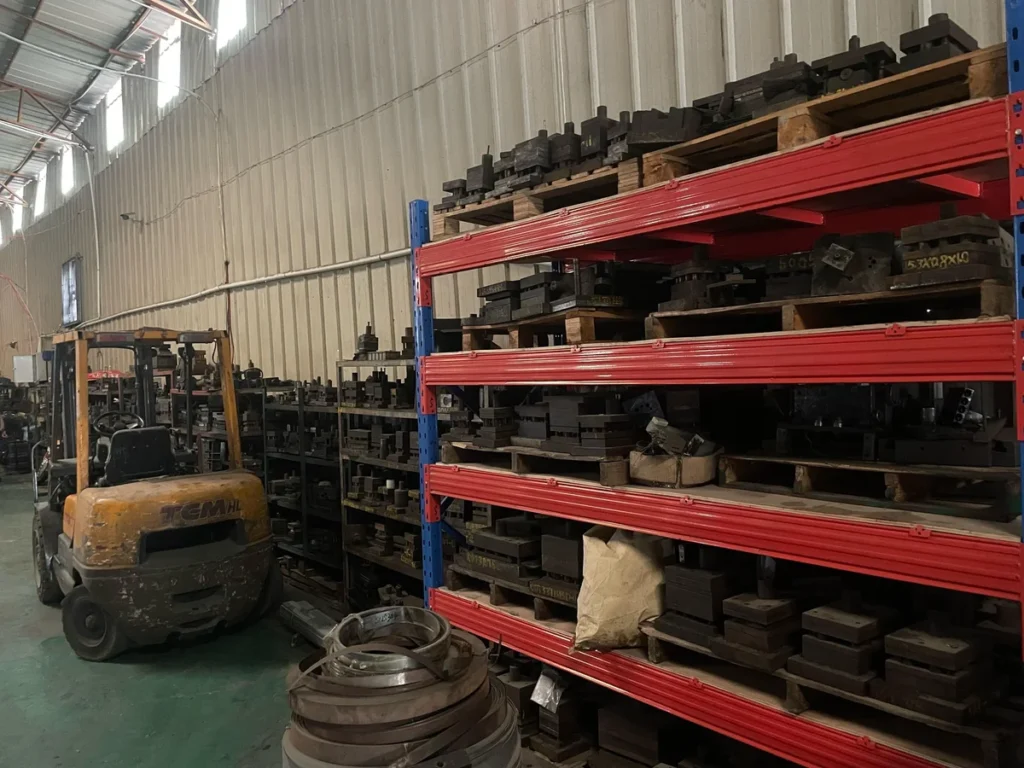
Here’s something we don’t think enough suppliers are upfront about: right now, we have tooling sitting in our own warehouse for several overseas trading company customers who built dies, received samples, and then never placed a production order. In our experience, this usually isn’t anyone’s fault — it’s often something unexpected on the customer’s side, or a case where the sample arrived and, once in hand, the buyer decided the part wasn’t going to sell well in their market after all.
We store completed tooling free of charge for up to 3 years from the last activity on the project. After 3 years with no order, we consider the tooling obsolete and it gets scrapped — and frankly, on tooling left sitting long enough without any activity, our own warehouse records occasionally lose track of exactly where a specific die ended up among the shelves. A die takes up real, limited space on a factory floor, and holding tooling indefinitely for a project that’s gone quiet isn’t realistic for either side.
Questions Worth Asking Before You Open Tooling
Before you commit to tooling with any supplier, ask directly: who’s responsible if the die is damaged during normal production? What happens, cost-wise, if the part design changes after the die is built? And how long will tooling be stored if the project stalls after samples? A supplier who can answer all three clearly, the way we just did, is one being straight with you from the start — not one hoping these questions never come up.